Consultations in London & Manchester | Treatment in Izmir, Turkey | Caring for UK patients since 2005

FACE CONCERN

Droopy Face

Also called: jowls, jowl, turkey neck, marionette lines, sagging jawline, bulldog face, droopy face, sagging cheeks, melting face, loose jawline
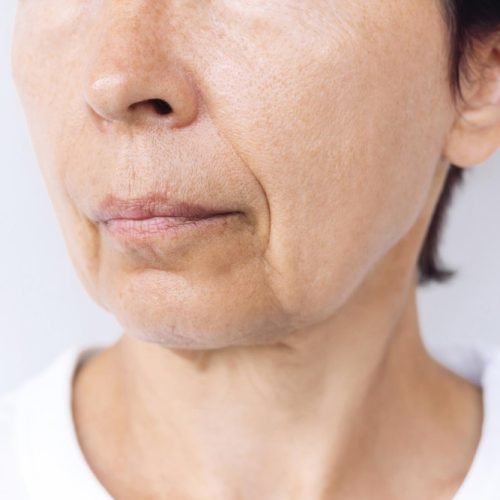
A droopy face is a common concern that develops as facial tissues lose firmness and begin to descend, leading to sagging skin, softer contours, and reduced definition around the cheeks, jawline, and lower face.
droopy face

TYPICALLY OCCURS

With ageing, skin laxity, volume loss, and reduced collagen.

TREATED BY

Facelift, neck lift, facial fat transfer, and more.

 ALSO LINKED TO

Jowls, Double Chin, etc.

Why it happens?

A droopy or sagging face can develop as ageing causes the skin to lose collagen and elasticity while facial fat, muscles, and supporting tissues gradually change and descend. Genetics, sun exposure, weight changes, and lifestyle factors can also influence how quickly these changes become noticeable.

How far along is it?

01

Early

Mild skin laxity and subtle facial sagging may appear, with early changes around the cheeks, jawline, or lower face while overall facial definition remains relatively well maintained.

02

Moderate

Facial sagging becomes more noticeable, with increased skin laxity, reduced cheek definition, and early jowling that begins to soften the jawline and facial contours.

03

Advanced

More pronounced facial sagging and skin laxity can lead to visible jowls, flatter or descended cheeks, deeper folds, and significantly reduced definition around the jawline and lower face.

What addresses it?

It may be worth seeking professional advice when facial sagging becomes noticeable, affects facial definition, or begins to impact how you feel about your appearance. A consultation can help assess skin laxity, volume loss, and tissue descent to determine suitable treatment options.

Quick Questions:

01

How do you get rid of sagging face?

Facial sagging can be improved with treatments that address loose skin, volume loss, and descended facial tissues. Depending on the severity, options may include facelift surgery, facial fat transfer, skin tightening, or other non-surgical treatments.

02

Can a sagging face be treated without surgery?

Yes. Mild to moderate facial sagging can often be improved with non-surgical treatments that target skin laxity, restore lost volume, or stimulate collagen. More advanced sagging may require surgery for more significant and longer-lasting correction.

03

At what age does sagging face generally start?

Facial sagging often begins to become noticeable in the 30s or 40s, although this varies considerably. Genetics, sun exposure, skin quality, weight changes, and lifestyle can all influence when sagging develops and how quickly it progresses.

04

Does a surgery fix droopy face forever?

No. Surgical procedures don’t stop the person’s aging process. They only provide improvement to address the signs of aging.

Need More Information?

Contact us to find out more about concerns and our treatment options with aftercare packages.