How to Get Rid of Eye Bags
How to get rid of eye bags depends entirely on which kind you have. Fluid puffiness responds to sleep position, salt, allergy control and cold. Structural bags, where fat has shifted forward, do not respond to anything you can buy. Knowing which you have saves years of wasted effort.
Most advice on this topic skips that distinction and lists remedies that only ever addressed half the problem.
On this page: Which kind do you have · What works on fluid · What does not work on structural bags · Remedies worth avoiding · What the NHS will and will not fund · What to ask · FAQs
Work out which kind you have before trying anything
Everything below hangs on this, so it goes first.
Fluid puffiness pools overnight while you lie flat and drains once you are upright. It is worst on waking, softer to the touch, and noticeably reduced two to three hours later.
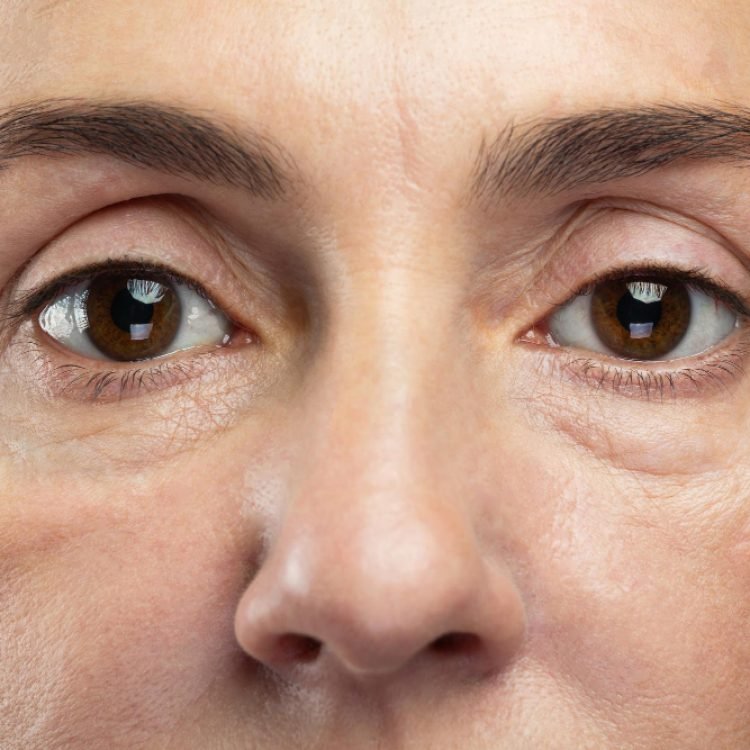
Structural bags are fat that has pushed forward as the tissue holding it in place has weakened. They look the same at 8am and 8pm, and sleep makes no difference.
The test is simple. Look on waking, then look again two to three hours after getting up. If the bulge has visibly reduced, you are dealing with fluid. If it measures the same, it is structural. The eye bags concern page sets out the two types and the stages in more detail.
Many people have both. In that case the fluid part will respond and the structural part will not, which is why results from home remedies so often feel like they stop halfway.
How to get rid of eye bags caused by fluid
This is the half where effort actually pays off.
Sleep with your head slightly raised. An extra pillow, or raising the head end of the bed, reduces how much fluid pools overnight. This is mechanical rather than magic, and it is the single most reliable change.
Reduce salt, particularly in the evening. Salt promotes fluid retention, and the effect on the thin tissue under the eye shows before it shows anywhere else.
Treat hay fever properly rather than tolerating it. Allergic swelling around the eyes is common in spring and summer in the UK, and eye rubbing makes it considerably worse. If puffiness is seasonal, that is a strong clue.
Cold, applied carefully. A cool compress narrows blood vessels and temporarily reduces swelling. Use something cool rather than frozen, and never apply ice directly to the eye area.
Alcohol and sleep. Both affect fluid balance. Neither is a cure, but both change how the morning looks.
None of these alter fat position. They are addressing the fluid layer only, and they work within hours rather than permanently.
What does not work on structural eye bags
Being direct here saves money.
Once fat has shifted forward, no cream, serum, roller, tool or supplement moves it back. The bulge sits beneath the skin, and topical products act on the surface. That is not a marketing failing so much as a physical one.
| Approach | What it does | Does it shift structural bags? |
|---|---|---|
| Caffeine eye creams | Temporarily constricts vessels; may reduce fluid puffiness slightly | No |
| Cold compresses and chilled spoons | Short-lived reduction in fluid swelling | No |
| Cooling rollers and gua sha tools | Move fluid temporarily; effect lasts hours at most | No |
| Retinoid and firming creams | May improve skin texture and thickness over months | No. Skin quality is a different layer from fat position |
| Collagen supplements | Contested evidence, mostly for skin hydration and elasticity | No |
| Facial exercises | No good evidence for changing fat position | No |
| Concealer and make-up | Changes appearance immediately | No, but honest about what it is doing |
Read that last column and the pattern is clear. Everything sold for eye bags either works on fluid, works on skin, or works on appearance. Nothing available over the counter works on the fat itself.
That is not a reason to despair. It is a reason to stop paying for the third attempt at something the first two could not do either.
Remedies worth avoiding around the eyes
Some popular suggestions carry genuine risk in an area where the skin is the thinnest on the body.
Haemorrhoid cream. Widely circulated online as an eye-bag fix. These products carry label warnings against use near the eyes, and the manufacturers say so for good reason. Ingredients that are fine on other skin can cause serious irritation if they reach the eye itself.
Steroid creams. Repeated use of topical steroid on the eyelid can thin already-thin skin. Steroid creams are not intended for use around the eyes without medical direction.
Ice applied directly. Cool is useful; frozen against the eyelid can damage skin. Wrap anything cold, and keep it brief.
Skin-lightening products. These target pigment rather than swelling, and using them near the eye without medical advice is not sensible.
If a remedy came from social media rather than a pharmacist, the eye area is the wrong place to test it.
What the NHS will and will not fund
This is the question UK readers actually want answered, and the answer is specific.
NHS patient information from Cambridge University Hospitals states that the NHS will only allow removal of excess upper eyelid skin where it impairs vision, confirmed by a visual field test, and that surgery for cosmetic reasons, including lower eyelid surgery, is not funded by the NHS.
Eye bags sit on the lower lid. So the practical position is that this is a self-funded matter in the UK unless upper lid skin is genuinely obstructing your vision, which is a different problem with a different assessment.
Private medical insurance rarely helps either, since most UK policies exclude cosmetic procedures outright.
Two situations do belong with a doctor rather than a mirror. Swelling that appears suddenly, affects one eye, or comes with pain, redness, fever or changed vision needs same-day assessment. And persistent puffiness alongside symptoms such as unusual tiredness, weight change or swelling elsewhere in the body is worth a GP appointment, because thyroid, kidney and allergic causes all produce swelling around the eyes.
On the skin layer, the one preventive measure with randomised trial evidence behind it is sun protection. NHS advice on sunscreen and sun safety covers what adequate protection looks like in UK conditions, including shade between 11am and 3pm from March to October.
Where you want detail on self-funded options and what each involves, that sits on Revitalize in Turkey rather than here.
What to ask your doctor
Worth asking a GMC-registered doctor or pharmacist:
- Looking at this, does it appear to be fluid, fat, or a hollow casting a shadow?
- Is there anything here you would want to investigate rather than treat as cosmetic?
- Could any medication I take be contributing to fluid retention around the eyes?
- Is my hay fever or allergy management doing enough, given the seasonal pattern?
- Given what this actually is, is anything over the counter likely to help?
- Is my upper eyelid skin affecting my field of vision at all?
Frequently asked questions
Can you get rid of eye bags permanently at home?
Not the structural kind. Fat that has shifted forward beneath the lower lid does not respond to creams, tools or supplements, because those act on the skin surface rather than the tissue underneath. Fluid puffiness can be reduced substantially at home through sleep position, salt, allergy control and cold compresses.
Do eye creams work for eye bags?
They work on some things and not others. Caffeine-based creams can slightly reduce fluid puffiness, and retinoid or firming creams may improve skin texture over months. Neither changes the position of the fat causing structural bags. Read the claim on the packaging carefully: improving skin is a different promise from removing a bulge.
How long does it take for puffy eyes to go down?
Fluid puffiness typically reduces within two to three hours of getting up, as fluid drains once you are upright. Cold compresses can speed that slightly. If a bulge is still identical by mid-afternoon, it is not fluid and waiting longer will not change it.
Does drinking more water get rid of eye bags?
It may help with fluid balance generally, but there is no good evidence it removes eye bags. Dehydration and high salt intake both encourage fluid retention, so staying hydrated is reasonable. It does nothing for structural bags, and claims that water alone clears under-eye puffiness overstate what is known.
Is it safe to use haemorrhoid cream under the eyes?
No, and the products themselves say so. Haemorrhoid creams carry label warnings against use near the eyes. The skin there is the thinnest on the body, and ingredients that are tolerated elsewhere can cause significant irritation or damage if they reach the eye. Use something intended for the eye area instead.
When should eye bags be checked by a doctor?
When swelling appears suddenly, affects one eye, or comes with pain, redness, fever or changed vision, that needs same-day assessment. Persistent puffiness alongside tiredness, weight change or swelling elsewhere also warrants a GP appointment, since thyroid, kidney and allergic conditions can all cause swelling around the eyes.