
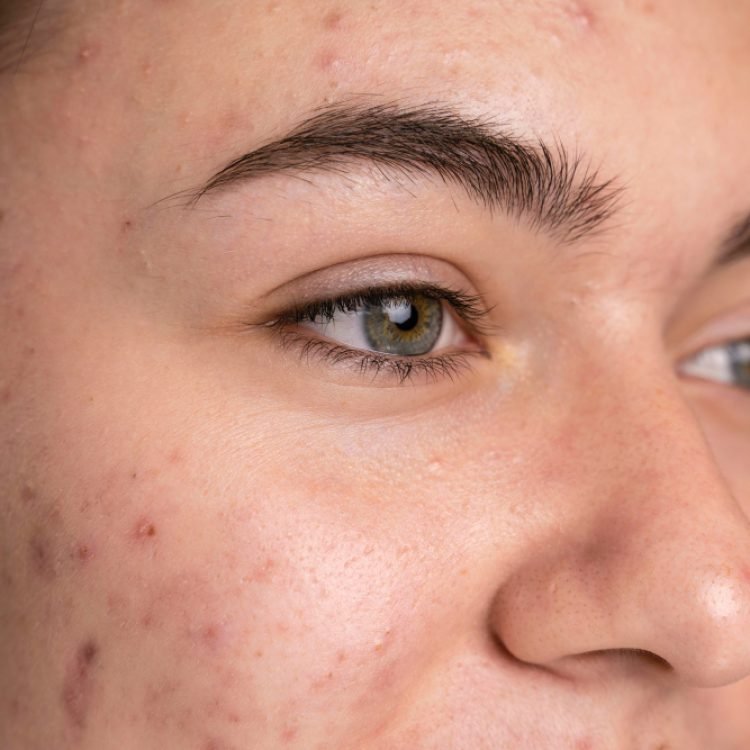
Do Acne Scars Get Worse If Left Untreated?
Do acne scars get worse if left untreated? It depends entirely on the scar type. Most acne scars are atrophic, meaning indented, and these do not deepen on their own. Raised scars can genuinely enlarge, and keloid scars may keep growing. Flat marks usually fade.
Lumping these together is why the question gets answered badly. Four different things happen to four scar types, and knowing which you have changes whether waiting costs you anything.
On this page: The short answer by scar type · Indented scars · Raised and keloid scars · Marks that fade · The thing that does get worse · The UK picture · What to ask your doctor · FAQs
Do acne scars get worse if left untreated? A breakdown by type
The table sets out what the evidence supports for each type. Terms are defined underneath.
| Scar type | What it looks like | Does it worsen untreated? |
|---|---|---|
| Atrophic | Indented, pitted or dented. The commonest type after acne | Not structurally. The depth does not increase on its own, though visibility can change with age |
| Hypertrophic | Red and raised, staying within the boundary of the original spot | May continue to thicken for up to six months, then usually improves over 12 to 24 months |
| Keloid | Raised and firm, growing beyond the boundary of the original spot | Yes. Can keep growing, and the appearance may not improve over time |
| Post-inflammatory marks | Flat brown, purple or red patches | Usually fade over months, though slowly. These are not true scars |
Atrophic means the skin has lost tissue, leaving a dent. Hypertrophic means excess scar tissue confined to the original wound. Keloid means excess scar tissue that spreads beyond it. Post-inflammatory hyperpigmentation is darkening after inflammation, and post-inflammatory erythema is the red or purple version.
Only one row of that table describes something that reliably gets worse.
Indented acne scars do not deepen, but they can become more visible
Atrophic scars are the most common outcome of inflammatory acne, and structurally they are stable. Once tissue loss has happened and the wound has matured, the scar is not getting deeper.
What changes is the skin around it. Skin loses collagen and elasticity with age, and loosens. An indented scar sitting in firmer skin at 22 can read more obviously at 45, because the surrounding support has changed rather than the scar. That is a shift in visibility rather than progression.
That matters practically. If you are weighing whether to act now or later on indented scarring, the scar is not running away from you. There is no clock on it in the way there is with active acne.
Worth stating plainly: this is a widely described observation in dermatology rather than something quantified by strong trial evidence. Nobody can tell you how much more visible a specific scar will become, or when.
Raised and keloid acne scars can genuinely enlarge
This is the exception, and the reason a blanket “no, scars don’t get worse” would be wrong.
NHS patient information from Royal Free London sets out the difference clearly. Keloid scars can grow beyond the boundary of the original wound, may be painful and cause itching, and their appearance may not improve over time. Hypertrophic scars do not extend beyond the original boundary but may continue to thicken for up to six months, and usually improve within 12 to 24 months.
Hypertrophic scars therefore follow a curve: worse for a while, then generally better. Keloids do not reliably follow that curve.
The same guidance notes anybody can develop a keloid scar, though young people and those with darker skin are more prone, particularly on the ears, chest, shoulders and back. Acne on the back and chest is worth watching more carefully than facial acne for this outcome.
If you have a raised acne scar that is spreading beyond where the original spot was, that is the one situation in this guide where leaving it alone has a clear cost. Raise it with a GP rather than monitoring it indefinitely.
Flat marks after acne usually improve rather than worsen
Most people who ask whether their acne scars are getting worse are looking at post-inflammatory marks, not scars.
These are pigment or blood vessel changes in skin that is otherwise intact. Because no tissue has been lost or added, the skin can resolve them, and they typically fade over months.
Two things slow that fading. Sun exposure can darken post-inflammatory hyperpigmentation, which is one reason UK guidance advises non-comedogenic sunscreen during acne treatment. And repeated inflammation in the same spot resets the process.
A rough test: flat marks stay flat under angled light. True scars catch the light or cast a shadow because the surface is uneven. The guide to at what age acne scarring usually starts covers that distinction in more detail.
What does get worse untreated is the total amount of scarring
Here is the honest reframing. Individual atrophic scars are largely static. The number of them is not.
NICE guideline NG198 states that the risk of scarring increases with the severity and duration of acne, and that persistent picking or scratching of acne lesions can increase the risk of scarring. Every inflamed spot that appears while acne remains untreated carries its own scarring risk.
NICE’s own evidence review on scarring risk factors found that acne severity and delaying treatment may be risk factors, but described substantial uncertainty because the studies did not control for other influencing factors. That hedge is worth carrying: the direction is supported, the strength of the effect is not well established.
The practical upshot: if your acne is finished, existing indented scars are not urgent. If your acne is still active, the urgency belongs to the acne rather than the scars. The acne scars concern page covers scar types and causes, and the guide to whether acne scarring can be prevented covers what reduces that ongoing risk.
Acne scars and the UK system
Two features of the UK setup matter here, and they pull in different directions.
Established scar treatment is largely not NHS-funded. Most procedures for existing acne scars are classed as cosmetic and are not routinely commissioned. Criteria vary between integrated care boards, so what is available depends on where you live. Ask your GP what your local policy says rather than assuming.
Raised and keloid scars are treated differently. NHS trusts including Royal Free London describe steroid injection as the treatment for keloid and hypertrophic scars, which places these on a medical rather than cosmetic footing in a way indented scarring often is not. If you have a raised scar that is growing, painful or itchy, that is worth a GP appointment.
On waiting: where a referral is appropriate, the NHS standard is a maximum 18-week wait from referral to the start of consultant-led treatment, though dermatology waits vary widely by trust and the standard is not currently met.
Private medical insurance rarely helps with established scarring, since many UK policies exclude both cosmetic procedures and chronic or pre-existing conditions. Read the wording rather than assuming. For detail on self-funded options for scarring and what each involves, that sits on Revitalize in Turkey rather than here.
What to ask your doctor
Worth asking a GMC-registered doctor:
- Which type of scarring am I actually looking at here, and how can you tell?
- Is any of this raised scarring spreading beyond where the original spots were?
- Given the type, is there any clinical reason to act sooner rather than later?
- Are these marks likely to fade on their own, and roughly over what timeframe?
- Does my local integrated care board fund anything for this type of scarring?
- Is my acne still active enough that new scarring is the more pressing issue?
Frequently asked questions
Do atrophic acne scars get deeper over time?
Not on their own. Once tissue loss has occurred and the wound has matured, an indented scar is structurally stable. It can look more noticeable in later decades as skin loses collagen and elasticity, but that is a change in the surrounding skin rather than the scar deepening.
Can keloid acne scars keep growing?
Yes. NHS patient information states keloid scars can grow beyond the boundary of the original wound, may be painful and itchy, and that their appearance may not improve over time. This is the one scar type where leaving things alone carries a clear cost. A growing raised scar warrants a GP appointment.
How long do post-acne marks take to fade?
There is no fixed timeframe, and it varies considerably between individuals and skin tones. Flat brown, purple or red marks are pigment or blood vessel changes rather than true scars, and generally fade over months. Sun exposure can slow the fading of darkened marks, which is one reason sunscreen is advised during acne treatment.
Does having acne scars mean I will get more?
Not by itself. Existing scars do not cause new ones. New scarring requires new inflamed acne, so the question is whether your acne is still active. NICE links scarring risk to acne severity and duration, so ongoing untreated acne is the relevant risk rather than the scars you already have.
Is there any harm in waiting to treat acne scars?
For indented scars, generally no clinical harm, since they are structurally stable. For raised or keloid scars, waiting can allow further growth. The decision for indented scarring is usually personal rather than medical. Discuss the specific type with a GMC-registered doctor before assuming either urgency or safety.
Do acne scars ever go away completely on their own?
True scars, meaning atrophic, hypertrophic or keloid, do not resolve completely without intervention, though hypertrophic scars usually improve within 12 to 24 months according to NHS patient information. Flat post-inflammatory marks often do fade substantially, which is why they are frequently mistaken for scars that healed by themselves.