Can a Double Chin Be Prevented?
Can a double chin be prevented? Partly, and it depends entirely on what is causing yours. Four things create fullness under the chin, and two of them are anatomy you were born with. Body composition is preventable to a degree. Jaw shape and neck structure are not.
That matters because the standard advice assumes every double chin is fat. For a substantial number of people, it is not, and following weight-focused advice will not change what they are looking at.
On this page: Four contributors · The anatomy nobody mentions · What is and is not preventable · What the evidence does not support · When it is not a double chin · The UK picture · What to ask · FAQs
Can a double chin be prevented, or is it structural?
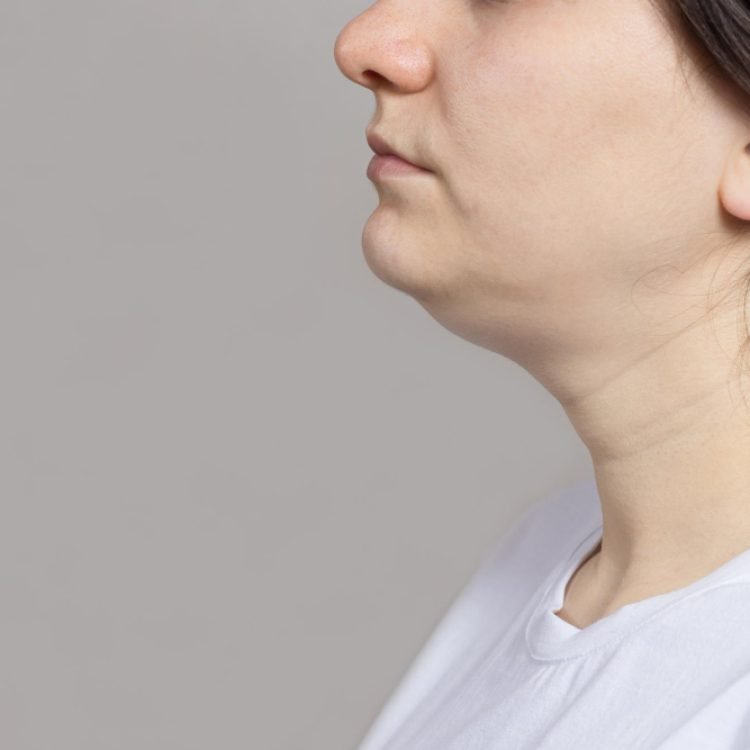
Both, in different proportions for different people. Fullness under the chin, which clinicians call the submental area, comes from four sources.
Submental fat. A fat pad sits under the chin, and it does track overall body composition. Where your body preferentially stores fat is itself partly inherited, which is why two people of similar build can look quite different from the side.
Jaw and neck anatomy. The angle between the underside of the chin and the front of the neck determines how defined that area looks. A chin that sits further back, or a differently positioned hyoid bone in the upper neck, produces a softer profile at any weight.
Skin and muscle laxity. The platysma is a broad, thin sheet of muscle across the front of the neck. Skin elasticity and platysma tone both reduce with age, and that softens the jawline independently of fat. General skin ageing is slowed by sun protection, and NHS advice on sunscreen and sun safety covers what adequate protection looks like in UK conditions.
Posture habits. Frequently cited, rarely evidenced. Covered further down.
The anatomy part almost nobody mentions
This is the section that makes this page worth reading, because getting it wrong wastes years.
If your jawline has looked soft since you were slim, and your relatives share the profile, the likely explanation is bone and soft tissue architecture rather than fat. A chin that sits slightly further back, or a shorter distance between chin and neck, produces the same visual result as a fat pad without any fat being involved.
Nothing about diet or exercise changes bone position. Nobody can talk their hyoid bone into a different place.
The practical consequence deserves stating plainly. If your submental fullness is structural, weight-focused advice cannot deliver what it promises, and pursuing it harder will not change that. Being told to keep trying something that cannot work is how people end up in an unhealthy relationship with food and exercise. If you are unsure which category you are in, that is a reasonable thing to ask a GMC-registered doctor.
What is preventable and what is not
Set out honestly rather than as a list of tips.
| Contributor | Preventable? | Changes with body composition? | Changes with age? |
|---|---|---|---|
| Submental fat | Partly, alongside overall health | Yes | Can increase or decrease |
| Jaw position and chin projection | No | No | No, once growth is complete |
| Hyoid position and neck length | No | No | No |
| Skin elasticity | Partly. Sun protection and not smoking slow skin ageing generally | No | Yes, reduces over time |
| Platysma tone | Not established | No | Yes, reduces over time |
Two terms defined. Submental means the area beneath the chin. The hyoid is a small bone in the upper neck that supports the tongue and helps shape the neck contour.
Read down that table and the honest summary is that one row is meaningfully preventable, one is partly influenceable through general skin health, and three are not.
What the evidence does not support
Several popular approaches have very little behind them.
Chin and jaw exercises. Widely promoted, thinly evidenced. There is no good trial showing that specific chin exercises reduce submental fullness, and no UK clinical guidance recommends them. Muscle work does not remove overlying fat, and spot reduction of fat from one body area is not something the evidence supports.
Mewing. The tongue-posture technique circulating on social media claims to reshape the jawline in adults. The claims run far ahead of any published evidence, particularly for adults whose facial growth is complete.
Posture and “tech neck”. Looking down at a phone does temporarily create a fold under the chin, which is why it appears in photographs. Whether habitual posture produces lasting submental change is not established. Better posture is worth having for your neck and back regardless.
Chewing gum. Occasionally suggested. It works the chewing muscles at the jaw angle, not the submental area, so the anatomy does not support the claim.
Face-slimming devices and creams. No published evidence supports these for reducing submental fat.
When it is not a double chin
Long-standing fullness under the chin that has looked the same for years is not what this section is about. New or changing swelling is.
Fullness that has appeared recently, sits more on one side than the other, feels firm rather than soft, or comes with other symptoms is worth a GP appointment rather than a cosmetic decision. Swollen lymph nodes, thyroid enlargement and salivary gland problems all produce swelling in this area and are unrelated to fat.
NHS information on swollen glands notes that glands under the chin and on each side of the neck commonly swell during infections and usually settle by themselves, and advises seeing a GP if they are getting bigger, have not gone down, feel hard or do not move when pressed, or appear without other signs of illness.
UK referral guidance treats this seriously. Macmillan’s rapid referral guidelines for head and neck cancer, which are endorsed by NICE and summarise NICE guideline NG12, advise GPs to consider urgent referral for an appointment within two weeks for people with a persistent and unexplained lump in the neck, and for people with an unexplained thyroid lump.
That is not a reason to worry about a double chin you have had since your twenties. It is a reason to take a genuinely new lump to a GP rather than assuming it is fat.
Double chins and the UK system
Four things shape what is realistic in Britain.
- Nothing cosmetic here is NHS-funded. Procedures aimed at changing the jawline for appearance reasons are classed as cosmetic and are not routinely commissioned. Criteria vary between integrated care boards, but this is not generally a grey area.
- New neck swelling is a different pathway entirely. A persistent unexplained neck lump has a defined referral route under NICE guidance, and a GP appointment is the right first step.
- Insurance rarely helps. Many UK private medical insurance policies exclude both cosmetic procedures and chronic or pre-existing conditions.
- There is no clinical deadline. Because any procedure would be self-funded and submental fullness is not a health problem in itself, the timing of any decision is entirely yours.
The double chin concern page covers the anatomy and causes in more depth. For detail on self-funded options and what each involves, that sits on Revitalize in Turkey rather than here.
What to ask your doctor
Worth asking a GMC-registered doctor:
- Looking at my neck and jaw, does this look structural or does it look like soft tissue?
- Has anything changed recently that you would want to examine rather than attribute to appearance?
- Does this feel soft and even, or is there anything firm or one-sided?
- Is there any medical reason to investigate this, or is it entirely cosmetic?
- Given my build and profile, is weight-focused advice likely to change what I am seeing?
- Is my thyroid worth checking, given the location?
Frequently asked questions
Can you prevent a double chin if it runs in your family?
Only partly. Inherited jaw position, chin projection and neck structure are not preventable, and they produce submental fullness independently of weight. The fat component tracks overall body composition, which is influenceable. If several relatives share the same profile at different weights, anatomy is likely the larger factor.
Do chin exercises prevent a double chin?
No good evidence supports them. There is no reliable trial showing chin or jaw exercises reduce fullness under the chin, and no UK clinical guidance recommends them. Working a muscle does not remove tissue sitting over it, and reducing fat from one specific area of the body is not supported by evidence.
Does posture cause a double chin?
Looking down creates a temporary fold, which is why it shows in photographs taken from below. Whether habitual posture causes lasting change under the chin has not been established. Improving posture is worth doing for neck and back comfort. Treat any effect on your jawline as unproven rather than expected.
Can you have a double chin at a healthy weight?
Yes, and it is common. Jaw position, chin projection, hyoid position and neck length all shape how defined the area under the chin looks, entirely independently of body fat. A soft jawline in someone slim usually reflects anatomy rather than anything that could have been prevented.
When should a double chin be checked by a doctor?
When it is new, changing, one-sided, firm rather than soft, or accompanied by other symptoms. UK referral guidance treats a persistent and unexplained neck lump as a reason to consider urgent referral. Long-standing, soft, symmetrical fullness that has looked the same for years is a different situation.
Does a double chin go away with age?
Generally the opposite. Skin elasticity and platysma muscle tone both reduce over time, which tends to soften the jawline further regardless of body composition. That is a normal part of ageing rather than something going wrong, and nobody can predict the timing for an individual.