Consultations in London & Manchester | Treatment in Izmir, Turkey | Caring for UK patients since 2005

Consultations in London & Manchester | Treatment in Izmir, Turkey | Caring for UK patients since 2005
Also called: anal warts, genital warts, warts down there, warts
TYPICALLY OCCURS
TREATED BY
ALSO LINKED TO
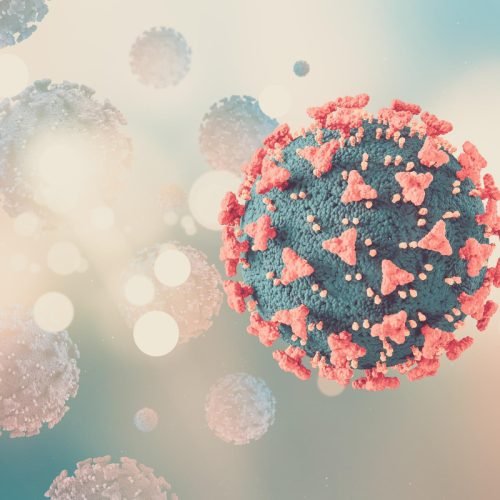
Warts develop when certain types of human papillomavirus (HPV) infect cells in the outer layers of the skin. The virus can enter through tiny cuts, scratches or areas of damaged skin and causes affected cells to grow more rapidly, producing the characteristic raised or thickened area. Different HPV types tend to affect different parts of the body. Common warts frequently occur on the hands and fingers, plantar warts — often called verrucas — develop on the soles of the feet, while flat warts are usually smaller and smoother. Genital warts are caused by particular HPV types that infect the genital and surrounding skin.
HPV can spread through direct skin-to-skin contact and, in some circumstances, indirectly through contaminated surfaces. Picking, scratching or shaving over a wart can also spread the virus to nearby areas of the same person’s skin. Genital HPV types are primarily transmitted through intimate skin-to-skin sexual contact. Not everyone exposed to HPV develops visible warts because the immune system often controls the infection before noticeable growths appear. Warts may therefore develop weeks or months after exposure, making it difficult to determine exactly when transmission occurred.
The immune response plays an important role in how long warts persist. Many common skin warts eventually disappear without treatment as the immune system recognises and controls the virus, although this can take months or sometimes years. Warts may be more numerous, persistent or recurrent in people whose immune systems are weakened. Most warts are benign, but other skin conditions can sometimes resemble them. A growth that is changing rapidly, repeatedly bleeding, unusually pigmented, ulcerated or otherwise different from a typical wart should be professionally assessed rather than assumed to be viral.
01
02
03
Treatments that address this
Professional assessment is worthwhile when a wart is painful, repeatedly bleeding, rapidly changing, spreading extensively or interfering with walking or everyday activities. Persistent warts that do not respond to appropriate self-care can also be assessed to confirm the diagnosis and discuss suitable options.
Warts around the genitals or anus should be assessed through an appropriate sexual-health or medical service. Genital warts are caused by sexually transmitted HPV types and require different considerations from ordinary warts on the hands or feet.
Seek medical advice rather than attempting self-treatment if you are uncertain whether a growth is actually a wart, particularly if it changes in colour or shape, develops an ulcer, bleeds without obvious injury or looks significantly different from surrounding lesions.
01
02
03
04
Contact us to find out more about concerns and our treatment options with aftercare packages.