Consultations in London & Manchester | Treatment in Izmir, Turkey | Caring for UK patients since 2005

BODY CONCERN

Thin Legs

Also called: chicken legs, skinny legs, no calves, thin lower legs
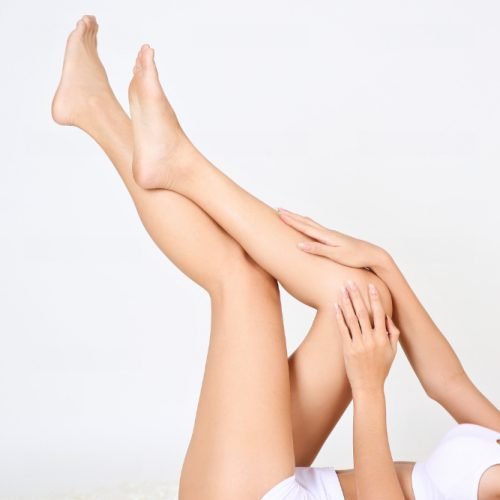
Thin legs are a common body concern where the thighs, calves, or both have limited volume or definition in proportion to the rest of the body. Leg shape is influenced by genetics, bone structure, muscle development, and fat distribution.
thin legs

TYPICALLY OCCURS

With genetics, low muscle mass, body structure, and natural fat distribution.

TREATED BY

Calf implants, fat transfer, body contouring, and more.

 ALSO LINKED TO

Why it happens?

Thin legs can occur naturally due to genetics, skeletal structure, muscle development, and the way fat is distributed throughout the body. Some people naturally have narrower leg bones, smaller calf or thigh muscles, or less fatty tissue in the lower body, creating a slimmer appearance even when overall body weight is within a healthy range.

Muscle mass also plays an important role in leg shape and volume. Low muscle development, reduced physical activity, ageing, or significant weight loss can make the thighs or calves appear thinner and less defined. In some cases, differences in muscle size or leg proportions may be more noticeable in one area than another.

While thin legs are often simply a natural body characteristic, significant or unexplained loss of muscle or volume—particularly if it develops suddenly or affects one leg more than the other—should be medically assessed to rule out an underlying condition.

How far along is it?

01

Early

Mild lack of leg volume is present, with slightly slimmer thighs or calves while overall body proportions remain relatively balanced.

02

Moderate

Reduced muscle or soft-tissue volume becomes more noticeable, creating thinner thighs or calves with less definition and fullness.

03

Advanced

Pronounced lack of volume creates a significantly thinner leg appearance, with limited muscle or soft-tissue fullness that noticeably affects overall lower-body proportions.

What addresses it?

Treatments that address this

It may be worth seeking professional advice when thin legs significantly affect body proportions or remain a persistent aesthetic concern despite exercise and healthy nutrition. Medical assessment is particularly important if leg volume decreases suddenly, involves muscle weakness, or affects one leg more than the other.

Quick Questions:

01

Why are my legs so thin?

Thin legs are often influenced by genetics, bone structure, muscle mass, and natural fat distribution. Weight loss, ageing, and low muscle development can also contribute.

02

Can exercise make thin legs bigger?

Yes. Resistance exercises targeting the thighs and calves can increase muscle mass and improve leg volume and definition, although results depend on genetics, nutrition, and individual anatomy.

03

Why are my legs thin compared to my upper body?

Natural differences in fat distribution, muscle development, and skeletal proportions can cause the legs to appear slimmer than the upper body. Genetics often play an important role.

04

Can thin legs be enhanced surgically?

Yes. Depending on the area and individual anatomy, options such as calf implants or fat transfer may be considered to increase volume and improve lower-body proportions.

Related Guides

Need More Information?

Contact us to find out more about concerns and our treatment options with aftercare packages.