Consultations in London & Manchester | Treatment in Izmir, Turkey | Caring for UK patients since 2005

BODY CONCERN

Stretch Marks

Also called: stretch marks, striae, tiger stripes
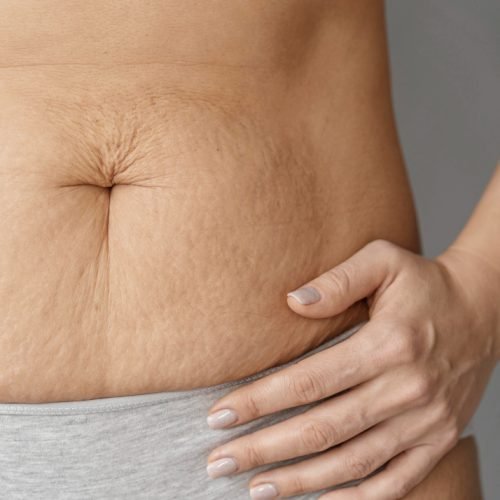
Stretch marks are common lines or streaks that develop when the skin stretches or changes rapidly, affecting its underlying support structure. They can appear on areas such as the abdomen, thighs, hips, breasts, arms, and buttocks and often change in colour and texture over time.
stretch marks

TYPICALLY OCCURS

During pregnancy, growth spurts, weight changes, or rapid body changes.

TREATED BY

Laser treatments, microneedling, skin resurfacing, and more.

 ALSO LINKED TO

Why it happens?

Stretch marks develop when the skin stretches or changes more quickly than its supporting tissues can adapt. This can disrupt collagen and elastin within the dermis, creating narrow lines or streaks that may initially appear red, purple, pink, or darker than the surrounding skin.

They commonly develop during pregnancy, puberty, rapid growth, weight gain, or significant changes in muscle size. Genetics, skin type, and hormonal factors can also influence how likely someone is to develop stretch marks and how noticeable they become.

Over time, stretch marks usually fade and become lighter, often developing a white or silvery appearance. They are harmless and extremely common, although their colour, texture, location, and severity can vary considerably between individuals.

How far along is it?

01

Early

New stretch marks appear as fine red, pink, purple, or darker lines and may feel slightly raised or irritated.

02

Moderate

Stretch marks become more established and may widen or become more noticeable, while their colour gradually begins to fade.

03

Advanced

Mature stretch marks typically become lighter, white, or silvery and may appear slightly indented or have a different texture from the surrounding skin.

What addresses it?

It may be worth seeking professional advice when stretch marks become a persistent aesthetic concern or when you want to explore options for improving their colour and texture. Treatments may be more effective for certain types or stages of stretch marks, so an assessment can help determine the most suitable approach.

Quick Questions:

01

What causes stretch marks?

Stretch marks develop when the skin stretches or changes rapidly, disrupting collagen and elastin within the deeper layers of the skin. Pregnancy, puberty, weight changes, muscle growth, genetics, and hormonal factors can contribute.

02

Do stretch marks go away?

Stretch marks often fade naturally over time but usually do not disappear completely. Newer red or purple marks typically become lighter and may eventually appear white or silvery.

03

Can you prevent stretch marks?

Stretch marks cannot always be prevented, particularly when genetics, pregnancy, or rapid growth are involved. Maintaining gradual weight changes and keeping the skin moisturised may support skin health but cannot guarantee prevention.

04

Can stretch marks be treated?

Yes. Treatments such as laser therapy, microneedling, and skin resurfacing may help improve the colour and texture of stretch marks, although complete removal cannot be guaranteed.

Need More Information?

Contact us to find out more about concerns and our treatment options with aftercare packages.