Consultations in London & Manchester | Treatment in Izmir, Turkey | Caring for UK patients since 2005

Consultations in London & Manchester | Treatment in Izmir, Turkey | Caring for UK patients since 2005
Also called: dull skin, tired skin, skin texture, large pores, open pores, uneven skin tone
TYPICALLY OCCURS
TREATED BY
ALSO LINKED TO
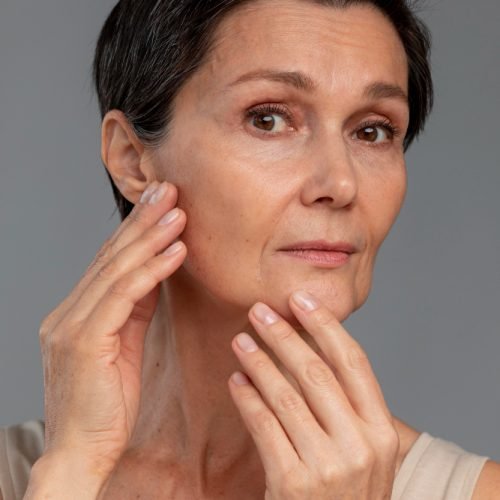
Skin ageing is a natural biological process. As we get older, the skin gradually produces less collagen and elastin — two proteins that help maintain its strength, firmness and flexibility. Cell renewal also slows, while the skin becomes less effective at retaining moisture. These changes can make the skin thinner, drier and less resilient, allowing fine lines and wrinkles to become increasingly visible.
Ageing also affects the structures beneath the skin. Facial fat can decrease or redistribute, while connective tissues and deeper facial support gradually change. Combined with repeated facial movements and the effects of gravity, this can contribute to loose or sagging skin, deeper folds, hollow areas and changes in facial contours. Because facial anatomy and genetics differ between individuals, the way these changes appear — and the age at which they become noticeable — varies considerably.
External influences can accelerate these natural processes. Long-term exposure to ultraviolet (UV) radiation is a major contributor to premature skin ageing because it damages collagen and other components that support healthy skin. Smoking, pollution, inadequate sleep, nutrition and other lifestyle or environmental factors may also influence skin quality over time. As these intrinsic and external influences accumulate, changes in pigmentation, texture, elasticity and overall skin appearance can become progressively more noticeable.
01
02
03
Treatments that address this
Skin ageing itself is a normal part of getting older and does not require medical treatment. It may be worth seeking professional advice when changes such as wrinkles, sagging, uneven pigmentation, loss of volume or changes in skin texture become noticeable enough to concern you.
An assessment can also help distinguish normal signs of ageing from skin changes that may need separate investigation. New, rapidly changing, bleeding or unusual skin lesions should not simply be assumed to be part of ageing and should be medically assessed.
01
02
03
04
Contact us to find out more about concerns and our treatment options with aftercare packages.