Consultations in London & Manchester | Treatment in Izmir, Turkey | Caring for UK patients since 2005

Consultations in London & Manchester | Treatment in Izmir, Turkey | Caring for UK patients since 2005
Also called: saggy boobs, sagging breasts, droopy breasts, breast ptosis, deflated breasts, empty breasts, saggy breasts, empty sacks, pancake boobs, deflated after breastfeeding
TYPICALLY OCCURS
TREATED BY
ALSO LINKED TO
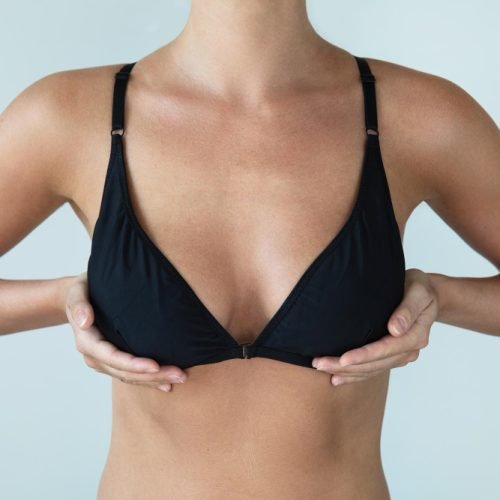
Sagging breasts, or breast ptosis, develop when the skin and supporting tissues of the breasts gradually stretch and lose firmness. As collagen and skin elasticity decrease, the breast tissue can settle lower on the chest and the nipple position may also descend.
Ageing is a common contributor, but pregnancy and changes in breast volume can stretch the skin and supporting tissues. Significant weight fluctuations may have a similar effect, particularly when the breasts repeatedly increase and decrease in size. Breastfeeding itself is not considered the main cause; changes associated with pregnancy and breast volume are more influential.
Genetics, breast size, skin quality, gravity, smoking, and the number of pregnancies can also affect how and when breast sagging develops. The degree of sagging varies considerably and is separate from breast size—both smaller and larger breasts can develop ptosis.
01
02
03
Treatments that address this
It may be worth seeking professional advice when breast sagging noticeably affects breast shape, nipple position, symmetry, or becomes a persistent aesthetic or practical concern. A consultation can assess the degree of ptosis, skin quality, breast volume, and individual anatomy to determine suitable options.
01
02
03
04
Guides on this
Can You Fix Sagging Breasts With Exercise?Read more →Contact us to find out more about concerns and our treatment options with aftercare packages.