Consultations in London & Manchester | Treatment in Izmir, Turkey | Caring for UK patients since 2005

SKIN CONCERN

Rosacea

Also called: rosacea, red face, facial redness, broken capillaries
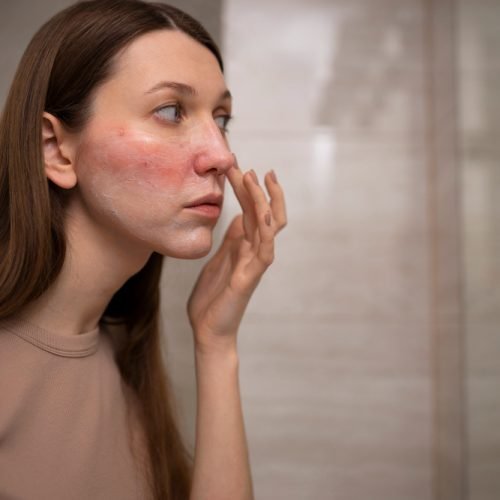
Rosacea is a common long-term skin condition that mainly affects the face, causing persistent redness, flushing and sometimes visible blood vessels or acne-like bumps. Symptoms can vary over time and may become more noticeable without appropriate management.
rosacea

TYPICALLY OCCURS

Genetics, sun exposure, heat, stress and skin sensitivity.

TREATED BY

Laser, IPL, medication and specialist skincare.

 ALSO LINKED TO

Why it happens?

The exact cause of rosacea is not fully understood, but it is believed to develop through a combination of genetic factors, immune-system responses and increased sensitivity of the facial blood vessels. People with rosacea may have blood vessels that dilate more easily, leading to repeated flushing and, over time, more persistent redness and visible vessels.

Environmental and lifestyle factors can trigger or intensify these reactions. Common triggers include sun exposure, hot or cold temperatures, alcohol, spicy foods, exercise, stress and certain skincare products. Repeated flare-ups may contribute to ongoing inflammation, making the skin increasingly sensitive and the redness more noticeable over time.

How far along is it?

01

Early

Temporary facial redness or flushing appears intermittently, often following exposure to specific triggers.

02

Moderate

Redness lasts longer or becomes more noticeable, and small facial blood vessels may become visible.

03

Advanced

Persistent redness may be accompanied by bumps, spots, increased skin sensitivity or, in some people, thickening of the skin.

What addresses it?

Treatments that address this

Consider seeking professional advice when facial redness becomes persistent, occurs frequently, causes discomfort or begins affecting your confidence. Early management can help identify personal triggers, control symptoms and reduce flare-ups.

Eye irritation, persistent redness around the eyes, pain or changes in vision should be assessed promptly, as rosacea can sometimes affect the eyes.

Quick Questions:

01

Is rosacea permanent?

Rosacea is generally a long-term condition, but symptoms can often be effectively controlled. Treatment and avoiding known triggers may significantly reduce redness and the frequency of flare-ups.

02

What triggers rosacea flare-ups?

Common triggers include sunlight, heat, cold weather, alcohol, spicy foods, hot drinks, exercise and emotional stress. Individual triggers vary, so identifying your own patterns can be useful.

03

Can laser or IPL treatment help rosacea?

Laser and IPL treatments may reduce persistent redness and visible facial blood vessels associated with rosacea. The most suitable option depends on your symptoms, skin type and medical assessment.

04

Can rosacea look like acne?

Yes. Some forms of rosacea cause red bumps and pus-filled spots that can resemble acne. However, rosacea and acne are different conditions and may require different approaches to treatment.

Related Guides

Need More Information?

Contact us to find out more about concerns and our treatment options with aftercare packages.