Consultations in London & Manchester | Treatment in Izmir, Turkey | Caring for UK patients since 2005

Consultations in London & Manchester | Treatment in Izmir, Turkey | Caring for UK patients since 2005
Also called: prolapse, uterine prolapse, dropped womb
TYPICALLY OCCURS
TREATED BY
ALSO LINKED TO
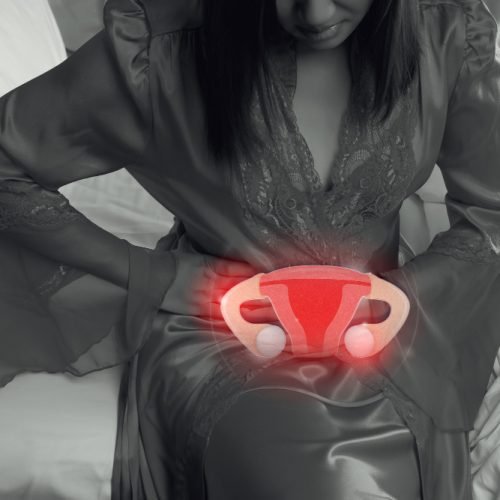
The pelvic floor is a network of muscles, ligaments and connective tissues that supports the bladder, uterus, vagina and bowel. Pelvic organ prolapse develops when these supporting structures become weakened, stretched or damaged, allowing one or more organs to descend towards or into the vagina. Different forms can occur depending on the structures involved, including uterine prolapse, bladder prolapse (cystocele), rectal prolapse into the vaginal wall (rectocele) and prolapse of the upper vagina following hysterectomy.
Pregnancy and vaginal childbirth are important risk factors because they can stretch or injure pelvic floor muscles and connective tissues. The likelihood of prolapse can also increase with age as supporting tissues naturally become less resilient. Hormonal changes after menopause may further influence pelvic tissues. Previous pelvic surgery, including hysterectomy, can alter the support structures within the pelvis in some people. Genetics and natural differences in connective-tissue strength may also explain why some individuals develop prolapse while others with similar childbirth histories do not.
Repeated or prolonged pressure within the abdomen can place additional strain on an already weakened pelvic floor. Chronic constipation and straining, persistent coughing, obesity and repeated heavy lifting may contribute to the development or progression of prolapse. Symptoms depend on which organs are involved and how far they have descended. Some people experience heaviness, dragging or pressure in the pelvis, while others notice tissue bulging from the vagina, urinary leakage, difficulty emptying the bladder, bowel difficulties or discomfort during sex. Importantly, the anatomical degree of prolapse does not always correspond with symptom severity, and not every prolapse requires treatment.
01
02
03
Treatments that address this
Professional assessment is worthwhile when you notice persistent vaginal pressure or heaviness, feel or see a bulge around the vaginal opening, or develop new bladder or bowel difficulties. Symptoms that interfere with exercise, work, sexual activity or everyday comfort are also a reason to seek advice.
Mild prolapse does not necessarily require surgery, and management depends on the type and severity of prolapse, symptoms, general health and individual circumstances. Assessment can establish which pelvic structures are involved and whether monitoring or active management is appropriate.
01
02
03
04
Contact us to find out more about concerns and our treatment options with aftercare packages.