Consultations in London & Manchester | Treatment in Izmir, Turkey | Caring for UK patients since 2005

FACE CONCERN

Nose Shape

Also called: nose job, hump on nose, bump on nose, wide nose, big nose, crooked nose, deviated septum, roman nose, hooked nose, bulbous nose
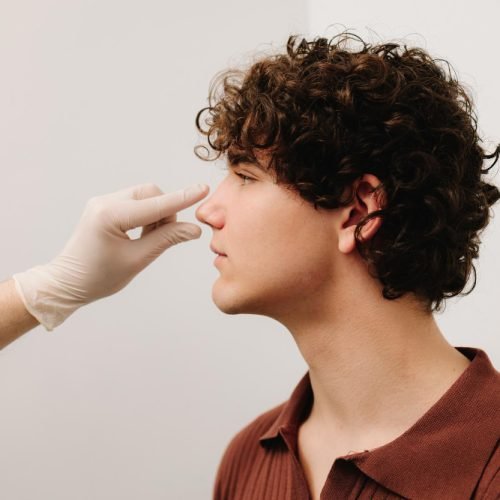
Nose shape is influenced by the structure, size, and proportions of the nasal bones, cartilage, and surrounding tissues. Concerns may include a prominent bridge, wide or drooping tip, asymmetry, or a nose that feels out of proportion with other facial features.
nose shape

TYPICALLY OCCURS

With genetics, natural development, ageing, or previous injury.

TREATED BY

Rhinoplasty, septorhinoplasty, non-surgical rhinoplasty, and more.

 ALSO LINKED TO

Why it happens?

Nose shape is primarily determined by genetics and the natural development of the nasal bones, cartilage, and surrounding tissues. Differences in the bridge, tip, nostrils, width, projection, or symmetry can create a nose shape that feels out of proportion with other facial features. Ageing, previous injury or trauma, and changes to the nasal structure can also affect the shape and appearance of the nose over time.

How far along is it?

01

Early

Subtle differences in nose shape, symmetry, or proportion are present but have minimal impact on overall facial balance.

02

Moderate

Differences in the bridge, tip, width, projection, or symmetry become more noticeable and may affect how balanced the nose appears with other facial features.

03

Advanced

More pronounced differences in nasal shape, size, projection, or symmetry significantly influence the overall proportions and balance of the face.

What addresses it?

Treatments that address this

It may be worth seeking professional advice when concerns about nose shape, size, symmetry, or proportion affect your confidence or overall facial balance. Assessment is also important if structural concerns are associated with breathing difficulties or developed following an injury.

Quick Questions:

01

What determines the shape of your nose?

Nose shape is mainly determined by genetics and the structure of the nasal bones and cartilage. Facial development, ageing, and previous injuries can also influence its appearance.

02

Can nose shape change with age?

Yes. The nose can gradually change in appearance as cartilage, skin, and supporting tissues change with age, sometimes making the tip appear lower or the nose more prominent.

03

Can you change the shape of your nose?

Yes. Rhinoplasty can alter the size, shape, projection, or proportions of the nose. Certain minor contour concerns may also be addressed with non-surgical rhinoplasty.

04

Can nose shape affect breathing?

Yes. Some structural differences, such as a deviated septum or other internal nasal abnormalities, can affect airflow. In these cases, treatment may address both nasal appearance and breathing function.

Related Guides

Need More Information?

Contact us to find out more about concerns and our treatment options with aftercare packages.