Consultations in London & Manchester | Treatment in Izmir, Turkey | Caring for UK patients since 2005

FACE CONCERN

Jowls

Also called: jowls, jowl, turkey neck, marionette lines, sagging jawline, bulldog face, droopy face, sagging cheeks, melting face, loose jawline
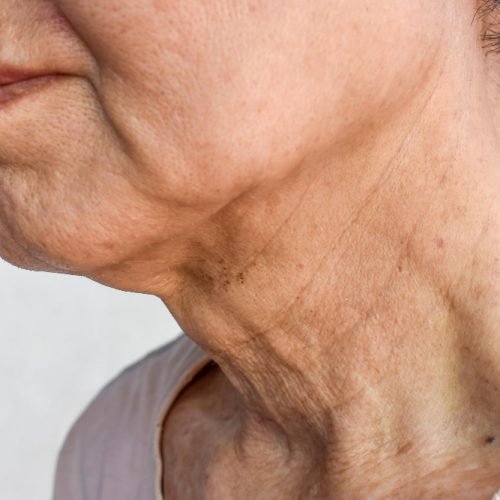
Jowls are areas of sagging skin and soft tissue that develop along the lower jawline, reducing definition and changing the contours of the lower face. They commonly become more noticeable with ageing as skin elasticity and facial support decrease.
jowls

TYPICALLY OCCURS

With ageing, skin laxity, volume loss, and reduced facial support.

TREATED BY

Facelift, neck lift, facial fat transfer, and more.

 ALSO LINKED TO

Droopy face, loose neck, etc.

Why it happens?

Jowls develop as the skin, fat, and supporting tissues of the face gradually change with age. Reduced collagen and elasticity, changes in facial fat and bone structure, and weakening tissue support can cause the lower face to descend and collect around the jawline. Genetics, sun exposure, weight changes, and lifestyle factors can also influence how early or prominently jowls appear.

How far along is it?

01

Early

Mild skin laxity begins to soften the jawline, with subtle sagging around the corners of the mouth and lower face.

02

Moderate

Jowls become more noticeable as skin and soft tissues descend, creating visible fullness along the jawline and reducing facial definition.

03

Advanced

Pronounced jowling creates significant sagging along the lower face, with a less defined jawline and deeper folds around the mouth and chin.

What addresses it?

It may be worth seeking professional advice when jowls become noticeable, progressively soften the jawline, or affect the overall balance of the lower face. A consultation can help assess skin laxity, tissue descent, and volume changes to determine suitable treatment options.

Quick Questions:

01

What causes jowls?

Jowls develop as the skin and supporting facial tissues lose firmness with age. Genetics, reduced collagen, changes in facial fat and bone structure, sun exposure, and weight fluctuations can also contribute.

02

At what age do jowls usually appear?

Jowls commonly become noticeable in the 40s or 50s, although they can develop earlier depending on genetics, facial structure, skin quality, and lifestyle factors.

03

How can you get rid of jowls?

Jowls can be improved with treatments that address loose skin, descended facial tissues, and volume changes. Depending on their severity, options may include facelift surgery, neck lift, facial fat transfer, or non-surgical treatments.

04

Can jowls be treated without surgery?

Mild jowling may be improved with non-surgical skin-tightening or facial contouring treatments. More pronounced jowls caused by significant skin laxity and tissue descent may require a facelift for a more substantial correction.

Related Guides

Need More Information?

Contact us to find out more about concerns and our treatment options with aftercare packages.