Consultations in London & Manchester | Treatment in Izmir, Turkey | Caring for UK patients since 2005

HAIR CONCERN

High Hairline

Also called: high forehead, big forehead, large forehead, five head, high hairline
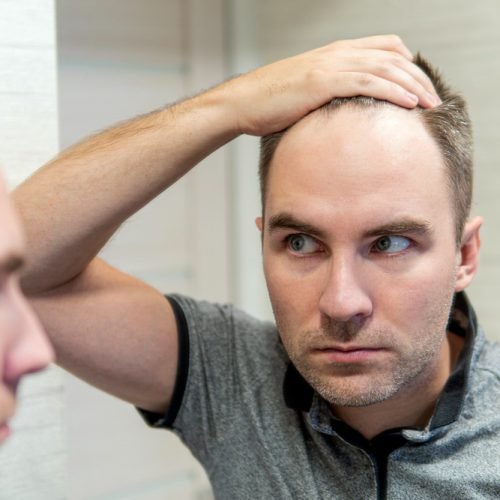
A high hairline is a common concern where the hairline sits higher on the forehead, creating the appearance of a larger or more prominent forehead. It may occur naturally due to genetics or develop over time as a result of hair thinning or hairline recession.
high hairline

TYPICALLY OCCURS

With genetics, natural hairline shape, ageing, or hair loss.

TREATED BY

Hair transplant, hairline lowering surgery, and more.

 ALSO LINKED TO

Hair loss

Why it happens?

A high hairline can occur naturally due to genetics and the way the hairline and forehead develop. Some people are born with a higher frontal hairline or naturally larger forehead, which may remain relatively stable throughout life and does not necessarily indicate hair loss.

In other cases, the hairline may become higher over time due to progressive hair thinning or recession. Genetic pattern hair loss can cause the frontal hairline and temples to move backwards, while hormonal changes, ageing, certain hairstyles that repeatedly pull on the hair, and some medical or scalp conditions may also contribute to changes in hairline position.

The underlying cause is important when considering treatment. A naturally high but stable hairline differs from an actively receding hairline, so assessment of hair density, hair-loss pattern, scalp health, and hairline stability can help determine the most appropriate approach.

How far along is it?

01

Early

The hairline sits slightly higher than desired, creating a subtly larger forehead while overall hair density and hairline shape remain well maintained.

02

Moderate

The hairline appears noticeably higher, with greater forehead exposure and possible early thinning or recession around the frontal hairline or temples.

03

Advanced

The hairline sits significantly higher or has receded further, creating pronounced forehead exposure and potentially noticeable thinning around the frontal and temporal areas.

What addresses it?

It may be worth seeking professional advice when a high hairline becomes a persistent aesthetic concern or appears to be gradually receding. Earlier assessment is particularly useful when accompanied by thinning or increased hair loss, as identifying the underlying cause can help determine suitable treatment options.

Quick Questions:

01

Why is my hairline so high?

A high hairline may be a natural genetic feature or result from hairline recession. Ageing, pattern hair loss, hormonal factors, and repeated tension on the hair can also contribute.

02

Is a high hairline the same as a receding hairline?

No. A naturally high hairline may remain stable throughout life, while a receding hairline gradually moves backwards due to hair loss. A professional assessment can help distinguish between the two.

03

Can a high hairline be lowered?

Yes. Depending on the cause, hairline position can be improved with hair transplantation or hairline-lowering surgery (forehead reduction). Suitability depends on factors such as hair density, scalp laxity, and hairline stability.

04

Can a hair transplant fix a high hairline?

Yes. In suitable candidates, a hair transplant can place follicles along a carefully planned lower hairline to reduce forehead height and improve facial proportions.

Related Guides

Need More Information?

Contact us to find out more about concerns and our treatment options with aftercare packages.