Consultations in London & Manchester | Treatment in Izmir, Turkey | Caring for UK patients since 2005

Consultations in London & Manchester | Treatment in Izmir, Turkey | Caring for UK patients since 2005
Also called: broken tooth, chipped tooth, cracked tooth, damaged teeth, worn teeth, decayed tooth, cracked filling, old fillings, tooth broke off
TYPICALLY OCCURS
TREATED BY
ALSO LINKED TO
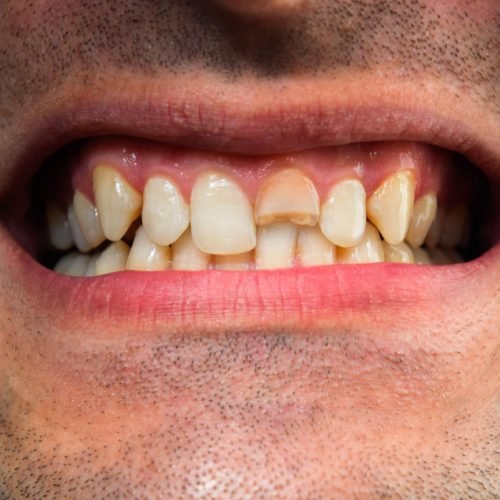
Teeth are naturally strong, but their structure can become damaged when subjected to forces beyond what they can withstand. Accidents, falls, sports injuries or biting unexpectedly hard foods or objects can cause a tooth to chip, crack or fracture. Teeth can also gradually wear down through repeated grinding or clenching, known as bruxism, which places significant pressure on the enamel and may eventually lead to cracks, flattened surfaces or small fractures.
The condition of the tooth before an injury also matters. Tooth decay removes healthy dental tissue and can weaken the remaining structure, making the tooth more vulnerable to breaking under normal chewing pressure. Large or older fillings may leave less natural tooth structure available to support the tooth. Previous dental procedures, erosion of the enamel and general wear over time can similarly affect strength. Acidic foods and drinks, acid reflux and other sources of repeated acid exposure can gradually erode enamel, leaving teeth thinner and more susceptible to sensitivity, wear and damage.
Not all tooth damage is immediately obvious. Very small cracks may initially cause few symptoms but can become more noticeable as they extend or the tooth is repeatedly placed under pressure. Deeper damage can expose the dentine or reach the pulp, where the tooth’s nerves and blood vessels are located. At this point, sensitivity, pain or inflammation may develop, and bacteria can potentially enter the tooth. The significance of a damaged tooth therefore depends not only on how it looks, but also on how deeply the tooth structure has been affected.
01
02
03
Treatments that address this
A visibly chipped, cracked or broken tooth is worth having assessed even if it is not painful. Minor enamel damage may require little intervention, but deeper cracks and fractures can become more difficult to manage if the tooth continues to experience pressure.
Seek dental attention promptly if tooth damage causes significant pain, sensitivity, swelling, bleeding or difficulty biting. A tooth that has become loose, substantially fractured or knocked out following an injury requires urgent dental assessment.
01
02
03
04
Contact us to find out more about concerns and our treatment options with aftercare packages.