Consultations in London & Manchester | Treatment in Izmir, Turkey | Caring for UK patients since 2005

SKIN CONCERN

Cysts and Lumps

Also called: cyst, lump, lumps, growth, swelling, bump under skin, sebaceous cyst, cysts and lumps, cysts & lumps, cysts
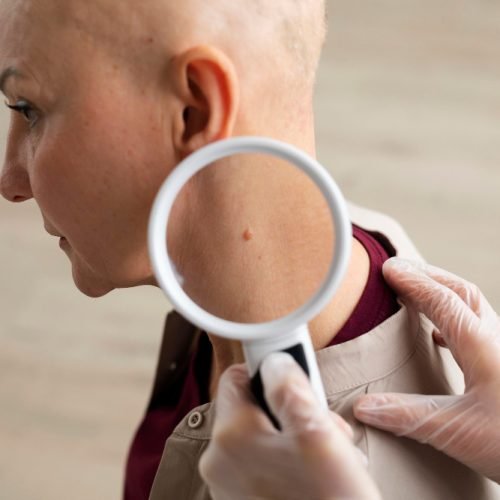
Cysts and lumps are common concerns that can develop on or beneath the skin and vary in size, texture, and appearance. Many are harmless, but new, growing, painful, or unusual lumps should be medically assessed.
cysts and lumps

TYPICALLY OCCURS

With blocked glands, infections, inflammation, injury, or tissue changes.

TREATED BY

Monitoring, medication, drainage, surgical removal, and more.

 ALSO LINKED TO

Why it happens?

Cysts and lumps can develop for many different reasons depending on the type of tissue involved. Cysts commonly form when fluid, keratin, or other material becomes trapped beneath the skin, sometimes due to blocked glands or hair follicles. Inflammation, infection, or previous injury can also contribute to their development.

Other lumps may arise from fatty tissue, fibrous tissue, swollen lymph nodes, or other changes beneath the skin. Many are benign, such as epidermoid cysts and lipomas, and may remain unchanged for long periods without causing symptoms.

However, it is not always possible to identify the cause of a lump by appearance or touch alone. Any new, unexplained, growing, hard, painful, or persistent lump should be medically assessed, particularly if it is accompanied by skin changes, bleeding, fever, or other symptoms.

How far along is it?

01

Early

A small, stable lump or cyst is present with little or no pain, inflammation, or change in the surrounding skin.

02

Moderate

The lump becomes larger, more noticeable, tender, or inflamed and may begin to cause discomfort or affect the surrounding area.

03

Advanced

A lump grows rapidly, becomes hard or fixed, causes persistent pain, repeatedly becomes infected, or develops associated skin changes. These features should be medically assessed promptly.

What addresses it?

Treatments that address this

It is worth seeking medical advice when a cyst or lump is new, persistent, growing, painful, hard, fixed, or repeatedly inflamed or infected. Prompt assessment is particularly important if it develops rapidly or is accompanied by skin changes, bleeding, fever, unexplained weight loss, or other unusual symptoms.

Quick Questions:

01

What causes cysts and lumps?

Cysts and lumps can develop for many reasons, including blocked glands or hair follicles, infections, inflammation, injury, fatty tissue growth, or other changes beneath the skin.

02

How do I know if a lump is a cyst?

Cysts are often smooth, rounded lumps beneath the skin and may contain fluid or other material. However, appearance and touch alone cannot reliably identify a lump, so persistent or unusual lumps should be medically assessed.

03

Do cysts go away on their own?

Some cysts may become smaller or resolve without treatment, while others can remain, grow, or become inflamed or infected. Treatment depends on the type, location, and symptoms.

04

When should I worry about a lump?

Seek medical assessment if a lump is new, growing, hard, fixed, painful, or persistent, or if it is accompanied by skin changes, bleeding, fever, unexplained weight loss, or other unusual symptoms.

Related Guides

Need More Information?

Contact us to find out more about concerns and our treatment options with aftercare packages.