Consultations in London & Manchester | Treatment in Izmir, Turkey | Caring for UK patients since 2005

BODY CONCERN

Cellulite

Also called: cellulite, dimpled skin, orange peel, lumpy thighs, cottage cheese thighs, dimply legs, bumpy skin
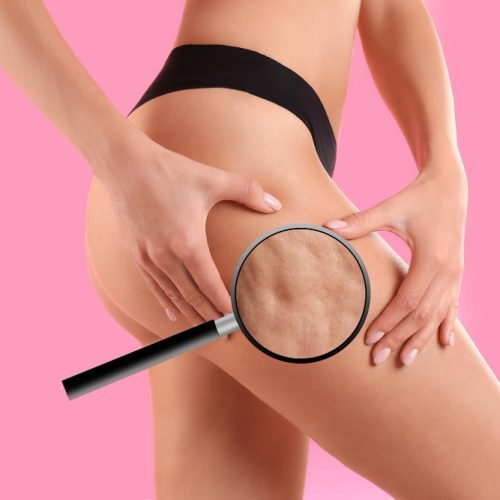
Cellulite is a common skin concern that creates a dimpled or uneven texture, most often affecting the thighs, buttocks, hips, and abdomen. It develops when underlying fat and connective tissues influence the surface of the skin and can occur regardless of body weight.
cellulite

TYPICALLY OCCURS

With genetics, hormones, fat distribution, ageing, and skin structure.

TREATED BY

Subcision, laser treatments, skin tightening, and more.

 ALSO LINKED TO

Why it happens?

Cellulite develops when underlying fat pushes upward against the skin while fibrous connective tissue bands pull downward, creating the characteristic dimpled or uneven appearance. The structure and arrangement of these tissues vary between individuals, which is why some people develop more visible cellulite than others.

Genetics, hormones, skin thickness, fat distribution, and ageing can all influence its appearance. As the skin gradually loses collagen and elasticity, cellulite may become more noticeable. Weight changes can also affect its visibility, although cellulite can occur in people of any body size or fitness level.

Cellulite is extremely common and is not considered a disease or indication of poor health. Its severity and appearance can vary depending on the area of the body, skin quality, and individual anatomy.

How far along is it?

01

Early

Cellulite is mild and mainly becomes visible when the skin is pinched or the underlying muscles are contracted.

02

Moderate

Dimpling becomes visible while standing, particularly around the thighs and buttocks, but may appear smoother when lying down.

03

Advanced

Cellulite is clearly visible both when standing and lying down, with deeper dimples, depressions, and more noticeable uneven skin texture.

What addresses it?

Treatments that address this

It may be worth seeking professional advice when cellulite becomes more noticeable, affects skin texture, or is a persistent aesthetic concern despite lifestyle changes. A consultation can help assess the type and severity of cellulite and determine which treatment options may be suitable.

Quick Questions:

01

What causes cellulite?

Cellulite develops when underlying fat and fibrous connective tissue interact beneath the skin, creating a dimpled appearance. Genetics, hormones, ageing, skin structure, and fat distribution can influence how noticeable it becomes.

02

Can you get rid of cellulite completely?

Cellulite can often be reduced and its appearance improved, but complete or permanent removal cannot be guaranteed. Results depend on the type and severity of cellulite and the treatment used.

03

Does losing weight get rid of cellulite?

Weight loss may reduce the appearance of cellulite in some people, but it does not necessarily eliminate it. Cellulite can occur at any body weight because skin structure and connective tissue also play important roles.

04

Can exercise reduce cellulite?

Exercise can improve muscle tone and overall body composition, which may make cellulite less noticeable. However, exercise cannot directly change the fibrous connective tissue responsible for cellulite dimpling.

Related Guides

Need More Information?

Contact us to find out more about concerns and our treatment options with aftercare packages.