Consultations in London & Manchester | Treatment in Izmir, Turkey | Caring for UK patients since 2005

Consultations in London & Manchester | Treatment in Izmir, Turkey | Caring for UK patients since 2005
Also called: reflux, acid reflux, heartburn, gastritis, gord, gerd, hiatus hernia, hiatal hernia, burning chest, acid coming up
TYPICALLY OCCURS
TREATED BY
ALSO LINKED TO
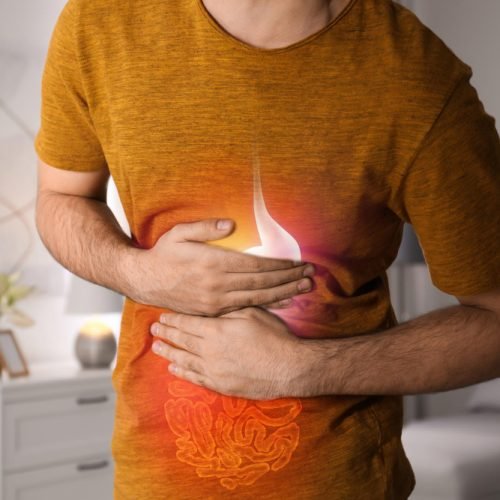
The oesophagus carries food from the mouth to the stomach. At its lower end is a ring of muscle called the lower oesophageal sphincter, which normally relaxes to allow food into the stomach and then closes to help prevent stomach contents from travelling backwards. Acid reflux occurs when this barrier relaxes at inappropriate times or does not close effectively. Stomach acid and other contents can then enter the oesophagus, whose lining is less well protected against acid than the stomach. This can produce the characteristic burning sensation known as heartburn, as well as regurgitation or a sour or acidic taste.
Several factors can make reflux more likely. A hiatus hernia, where part of the stomach moves upwards through the diaphragm, can weaken the normal anti-reflux mechanism. Excess abdominal weight and pregnancy can increase pressure on the stomach, while large meals, lying down soon after eating and certain foods or drinks may trigger symptoms in susceptible individuals. Alcohol, smoking and some medications can also contribute by affecting sphincter function or irritating the digestive tract. Triggers vary considerably, so a food or drink that causes reflux in one person may have little effect on another.
When reflux occurs repeatedly, persistent exposure to stomach contents can irritate and inflame the oesophagus, a condition known as oesophagitis. Some people develop symptoms outside the typical heartburn pattern, including chronic cough, hoarseness or throat irritation, although these symptoms can have many other causes. Long-standing GORD can occasionally lead to complications such as narrowing of the oesophagus or Barrett’s oesophagus. However, occasional heartburn is extremely common and does not necessarily mean that there is significant oesophageal disease.
01
02
03
Treatments that address this
Professional assessment is worthwhile when acid reflux occurs frequently, persists despite reasonable lifestyle measures, repeatedly wakes you at night or significantly affects eating and everyday life. Regular reliance on over-the-counter heartburn medication is also a reason to discuss symptoms with a healthcare professional rather than simply continuing self-treatment indefinitely.
Seek medical advice if reflux is accompanied by difficulty or pain when swallowing, persistent vomiting, unexplained weight loss, recurrent food sticking, vomiting blood or black stools. These symptoms require investigation and should not simply be attributed to ordinary heartburn.
Chest pain can sometimes be mistaken for severe heartburn. New, severe or unexplained chest pain — particularly with breathlessness, sweating, nausea or pain spreading to the arm, back, neck or jaw — requires urgent medical assessment because it may have a cardiac rather than digestive cause.
01
02
03
04
Contact us to find out more about concerns and our treatment options with aftercare packages.