Consultations in London & Manchester | Treatment in Izmir, Turkey | Caring for UK patients since 2005

Consultations in London & Manchester | Treatment in Izmir, Turkey | Caring for UK patients since 2005
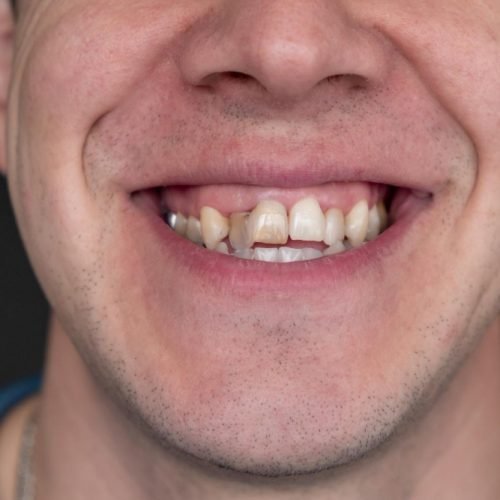
Also called: crooked teeth, wonky teeth, gap teeth, overbite, underbite, misaligned teeth, buck teeth, snaggle tooth, goofy teeth, gap between front teeth
TYPICALLY OCCURS
TREATED BY
ALSO LINKED TO
Crooked teeth often develop because there is a mismatch between the size of the teeth and the amount of space available within the jaw. If the jaw is relatively small or teeth are larger, there may not be enough room for each tooth to emerge in its ideal position. Teeth can consequently rotate, overlap or become crowded. Genetics play an important role, which means patterns of dental crowding, jaw shape and bite alignment can sometimes run in families.
Childhood development can also influence tooth alignment. Prolonged thumb sucking, dummy use, tongue habits and early loss of baby teeth can affect how permanent teeth emerge and how the jaws develop. Conversely, a baby tooth that remains in place longer than expected can sometimes interfere with the eruption of the permanent tooth beneath it. Missing or extra teeth may also alter the available space and cause neighbouring teeth to shift.
Crooked teeth can also develop or become more noticeable later in life. Teeth naturally have the potential to move over time, while gum disease and loss of supporting bone can allow teeth to change position. Missing teeth may create spaces into which neighbouring teeth gradually move or tilt. Previous orthodontic treatment does not necessarily prevent future movement either, particularly when retainers are not worn as advised. As a result, tooth alignment can continue to change throughout adulthood.
01
02
03
Treatments that address this
Crooked teeth do not always require treatment. Minor misalignment may primarily be an aesthetic concern, and whether to address it is a personal decision. A dental or orthodontic assessment can be useful when the position of the teeth begins to affect confidence, comfort or the way the teeth meet.
It is particularly worth seeking advice when crowding makes brushing and interdental cleaning difficult, food regularly becomes trapped, teeth are wearing unevenly or the bite causes discomfort. Significant changes in the position of adult teeth should also be assessed, especially when accompanied by loose teeth, bleeding gums or other signs of gum disease.
01
02
03
04
Contact us to find out more about concerns and our treatment options with aftercare packages.