Consultations in London & Manchester | Treatment in Izmir, Turkey | Caring for UK patients since 2005

Consultations in London & Manchester | Treatment in Izmir, Turkey | Caring for UK patients since 2005
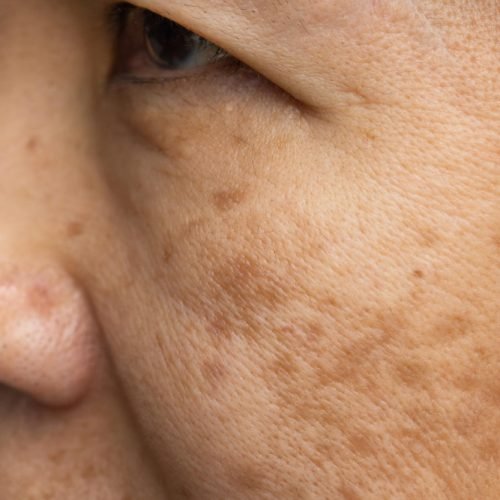
Also called: pigmentation, hyperpigmentation, dark patches, melasma, age spots, sun damage, freckles
TYPICALLY OCCURS
TREATED BY
ALSO LINKED TO
Pigmentation develops when the skin produces or distributes melanin unevenly, causing certain areas to appear darker than the surrounding skin. Melanin is the natural pigment responsible for skin colour, and its production can increase in response to a variety of internal and external factors.
Sun exposure is one of the most common triggers, as ultraviolet (UV) radiation stimulates melanin production and can lead to freckles, sun spots, and uneven skin tone. Hormonal changes may also contribute to conditions such as melasma, particularly during pregnancy or when using certain hormonal medications.
Inflammation or injury to the skin can leave darker areas known as post-inflammatory hyperpigmentation, which may develop after acne, eczema, burns, or other skin irritation. Genetics, ageing, certain medications, and underlying skin or medical conditions can also influence pigmentation. Because different types of pigmentation respond differently to treatment, identifying the underlying cause is important before choosing an appropriate approach.
01
02
03
Treatments that address this
It may be worth seeking professional advice when pigmentation becomes persistent, spreads, darkens, or significantly affects skin tone and appearance. Any new or rapidly changing areas of pigmentation should also be medically assessed to identify the underlying cause before treatment.
01
02
03
04
Contact us to find out more about concerns and our treatment options with aftercare packages.