Consultations in London & Manchester | Treatment in Izmir, Turkey | Caring for UK patients since 2005

Consultations in London & Manchester | Treatment in Izmir, Turkey | Caring for UK patients since 2005
Also called: balding, bald, bald spot, receding hairline, male pattern baldness, losing hair, hair loss, thinning hair, widows peak, crown thinning
TYPICALLY OCCURS
TREATED BY
ALSO LINKED TO
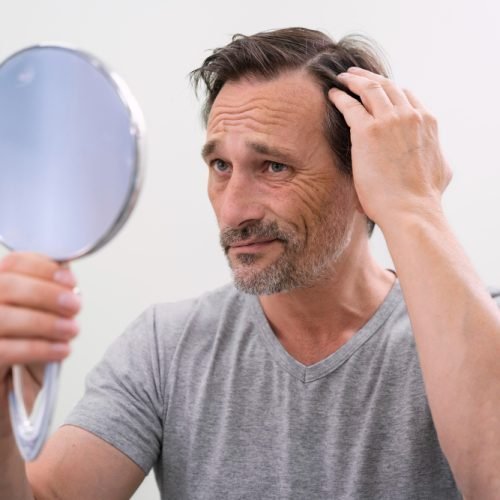
Hair loss occurs when the normal hair growth cycle is disrupted or when hair follicles gradually become smaller and produce finer, shorter hairs. Genetics and hormonal influences are among the most common causes, particularly in male and female pattern hair loss, where thinning usually develops progressively over time.
Hair loss can also be triggered by physical or emotional stress, illness, surgery, significant weight loss, pregnancy, nutritional deficiencies, thyroid disorders, autoimmune conditions, scalp conditions, or certain medications. In these cases, increased shedding may begin suddenly or become noticeable several months after the underlying trigger.
Some forms of hair loss are temporary and may improve once the cause is identified and addressed, while others can be progressive or permanent. Because different types of hair loss can look similar but require different treatments, persistent, sudden, patchy, or unexplained hair loss should be professionally assessed to determine the underlying cause.
01
02
03
Treatments that address this
It is worth seeking professional advice when hair loss becomes persistent, noticeably progresses, or occurs suddenly or in patches. Earlier assessment can help identify the underlying cause and determine suitable treatment options before further hair density is lost.
01
02
03
04
Contact us to find out more about concerns and our treatment options with aftercare packages.