Consultations in London & Manchester | Treatment in Izmir, Turkey | Caring for UK patients since 2005

Consultations in London & Manchester | Treatment in Izmir, Turkey | Caring for UK patients since 2005
Also called: uneven breasts, breast asymmetry, one bigger than the other, odd boobs, different cup sizes, one boob bigger, wonky boobs, one breast is bigger than the other, one breast bigger than the other, one boob is bigger
TYPICALLY OCCURS
TREATED BY
ALSO LINKED TO
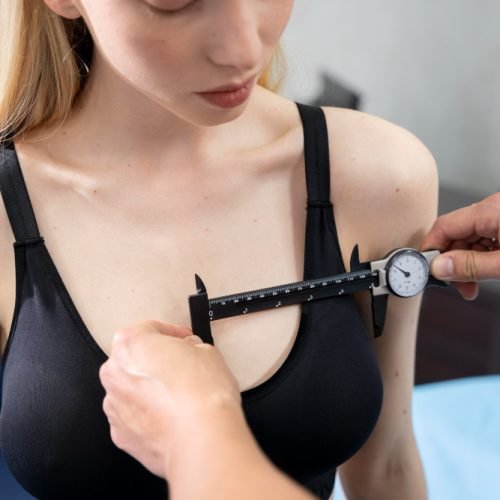
Uneven breasts, or breast asymmetry, most commonly develop as a natural variation during puberty and breast development. Genetics, differences in breast tissue, chest-wall anatomy, and hormonal influences can cause one breast to develop a different size, shape, or position from the other.
Breast symmetry can also change over time. Pregnancy, breastfeeding, weight fluctuations, ageing, and changes in skin elasticity may affect each breast differently, making existing asymmetry more noticeable. Previous breast surgery, injury, or certain developmental conditions can also contribute.
Mild breast asymmetry is extremely common and is usually not a medical concern. However, a new or sudden change in the size, shape, or appearance of one breast should be medically assessed, particularly if accompanied by a lump, nipple changes, discharge, or skin changes.
01
02
03
Treatments that address this
It may be worth seeking professional advice when breast asymmetry becomes a persistent concern or significantly affects breast balance, clothing fit, or confidence. Any new or sudden change in one breast, particularly with a lump, nipple discharge, skin changes, or pain, should be medically assessed.
01
02
03
04
Contact us to find out more about concerns and our treatment options with aftercare packages.