Consultations in London & Manchester | Treatment in Izmir, Turkey | Caring for UK patients since 2005

Consultations in London & Manchester | Treatment in Izmir, Turkey | Caring for UK patients since 2005
Also called: old implants, implant replacement, implant removal, explant, ruptured implant, capsular contracture, rippling, implant rippling, visible implant, implant showing
TYPICALLY OCCURS
TREATED BY
ALSO LINKED TO
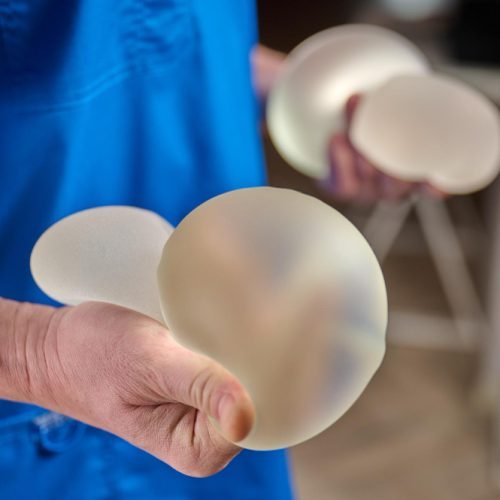
Breast implant concerns can develop for several reasons and may occur soon after surgery or many years later. Implants and the surrounding breast tissues naturally experience changes over time due to ageing, weight fluctuations, pregnancy, changes in skin elasticity, and the long-term effects of gravity. Breast implants are not considered lifetime devices, so the likelihood of needing further assessment or surgery generally increases over time.
Capsular contracture occurs when the scar tissue that naturally forms around an implant tightens or hardens, potentially changing the shape or feel of the breast and sometimes causing discomfort. Implant rippling may become visible or noticeable when folds or wrinkles in the implant can be felt through the skin, particularly when there is limited soft-tissue coverage.
Implants can also rupture, shift position, rotate, or become displaced, leading to changes in breast shape, symmetry, or firmness. Some implant ruptures, particularly silicone implant ruptures, may not cause obvious symptoms and can require imaging to detect. Any new pain, swelling, hardening, change in breast shape, or suspected implant problem should be medically assessed to determine the underlying cause and whether monitoring, revision, replacement, or removal is appropriate.
01
02
03
Treatments that address this
It is worth seeking professional advice when breast implants develop new or noticeable changes in shape, position, firmness, symmetry, or feel, or if you experience persistent pain or swelling. Suspected rupture, significant hardening, sudden swelling, or other unusual breast changes should be medically assessed promptly to identify the cause and determine whether revision, replacement, or removal may be appropriate.
01
02
03
04
Contact us to find out more about concerns and our treatment options with aftercare packages.