Consultations in London & Manchester | Treatment in Izmir, Turkey | Caring for UK patients since 2005

BREAST CONCERN

Enlarged Male Chest

Also called: man boobs, moobs, gynecomastia, gynaecomastia, man breasts, male breast, man chest, chest fat men, puffy nipples men, embarrassed at the beach
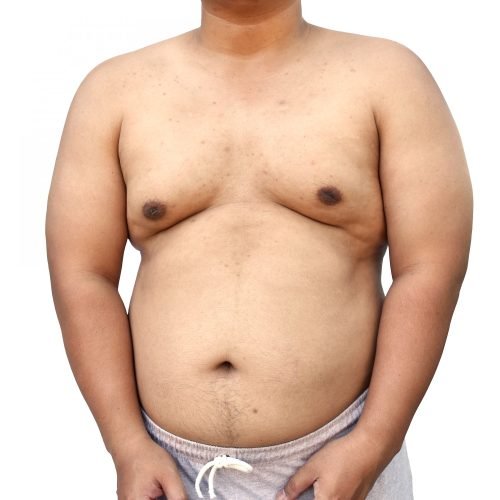
An enlarged male chest is a common concern involving increased volume or fullness in one or both sides of the chest. It may be caused by excess fatty tissue, enlarged glandular breast tissue (gynaecomastia), or a combination of both.
enlarged male chest

TYPICALLY OCCURS

With hormonal changes, weight gain or loss, ageing, certain medications, or genetics.

TREATED BY

Gynaecomastia surgery, liposuction, gland removal, and more.

 ALSO LINKED TO

Why it happens?

An enlarged male chest can develop when glandular breast tissue, fatty tissue, or both increase in the chest area. Gynaecomastia specifically refers to enlargement of glandular breast tissue and is often associated with an imbalance between the effects of oestrogen and testosterone. It can occur naturally during puberty or later in life as hormone levels change.

Excess body fat can also create chest fullness without significant glandular enlargement, sometimes referred to as pseudogynaecomastia. Weight gain, genetics, ageing, and natural fat distribution can influence how much fat accumulates around the chest.

Certain medications, anabolic steroids, alcohol or recreational drug use, and some underlying health conditions can also contribute to male breast enlargement. Because there are different possible causes, new, persistent, painful, one-sided, or otherwise unusual breast enlargement should be medically assessed.

How far along is it?

01

Early

Mild enlargement is present around the nipple and chest area, with subtle fullness and little or no excess skin.

02

Moderate

Chest enlargement becomes more noticeable, with increased glandular tissue, fat, or both creating a fuller breast-like contour.

03

Advanced

Pronounced enlargement is present, often with significant excess tissue and skin laxity, creating a more prominent breast-like appearance and lower chest contour.

What addresses it?

It may be worth seeking medical advice when male chest enlargement persists, becomes painful or tender, changes noticeably, or affects your confidence and everyday life. New, one-sided, hard, or rapidly growing enlargement, or changes involving the nipple, should be medically assessed to identify the underlying cause.

Quick Questions:

01

What causes an enlarged male chest?

An enlarged male chest can result from gynaecomastia, excess chest fat, or both. Hormonal changes, weight gain, ageing, certain medications, anabolic steroids, and some medical conditions can contribute.

02

How do I know if I have gynaecomastia or chest fat?

Gynaecomastia involves enlarged glandular breast tissue, while chest fat is primarily fatty tissue. Because they can look similar and often occur together, a medical assessment is the most reliable way to determine the cause.

03

Can gynaecomastia go away on its own?

Gynaecomastia during puberty often improves naturally over time. Persistent gynaecomastia in adults may not resolve completely without addressing an underlying cause or considering treatment.

04

Can exercise get rid of an enlarged male chest?

Exercise and weight loss may reduce chest fullness caused by excess fat and strengthen the chest muscles, but they cannot specifically remove established glandular breast tissue caused by gynaecomastia.

Related Guides

Need More Information?

Contact us to find out more about concerns and our treatment options with aftercare packages.