Consultations in London & Manchester | Treatment in Izmir, Turkey | Caring for UK patients since 2005

BREAST CONCERN

Breast Lumps

Also called: breast lump, lump in breast, breast cyst, breast lumps
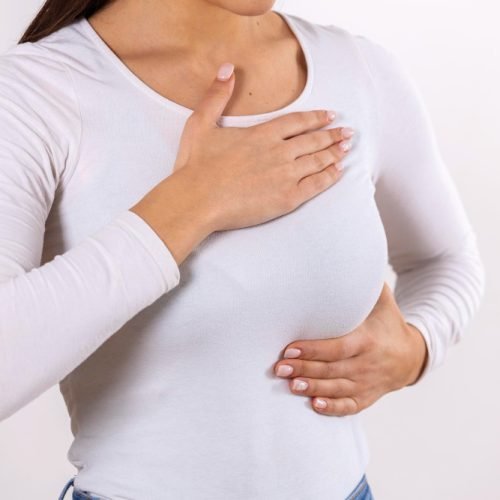
Breast lumps are areas of swelling, thickening, or tissue that feel different from the surrounding breast. Many breast lumps are benign, but any new, persistent, or unusual lump should be medically assessed to identify the cause and rule out more serious conditions.
breast lumps

TYPICALLY OCCURS

With hormonal changes, cysts, fibroadenomas, infections, or other breast changes.

TREATED BY

Monitoring, medication, drainage, biopsy, or surgery, depending on the cause.

 ALSO LINKED TO

Why it happens?

Breast lumps can develop for many different reasons. Common causes include hormonal changes, fluid-filled cysts, fibroadenomas, infections, inflammation, or changes related to pregnancy and breastfeeding. Some lumps may appear or become more noticeable at different points in the menstrual cycle.

Many breast lumps are benign and do not represent cancer. However, a breast lump can sometimes be caused by breast cancer, and it is not possible to reliably determine the cause based on how a lump feels alone.

Any new, persistent, growing, or unusual breast lump should therefore be assessed by a healthcare professional. Depending on the findings, evaluation may include a clinical breast examination, imaging such as ultrasound or mammography, and sometimes a biopsy.

How far along is it?

01

Early

A new lump, thickened area, or change in breast tissue may have a benign cause, but it should still be medically assessed.

02

Moderate

A lump that does not go away, becomes larger, feels different from surrounding tissue, or is accompanied by persistent breast changes requires medical evaluation.

03

Advanced

Seek prompt medical assessment if a lump occurs alongside nipple changes or discharge, skin dimpling, breast shape changes, redness, swelling, or a lump in the armpit.

What addresses it?

Treatments that address this

It is worth seeking medical advice whenever you notice a new or unusual breast lump, even if it is painless. Prompt assessment is particularly important if the lump persists or grows, or is accompanied by nipple discharge, skin dimpling, breast shape changes, redness, or swelling.

Quick Questions:

01

Are breast lumps usually cancer?

Most breast lumps are not cancerous and may be caused by conditions such as cysts or fibroadenomas. However, any new or unusual breast lump should be medically assessed.

02

What does a breast lump feel like?

A breast lump may feel firm, soft, smooth, irregular, movable, or fixed. Because benign and cancerous lumps can sometimes feel similar, touch alone cannot reliably determine the cause.

03

Can breast lumps come and go?

Yes. Some breast lumps and areas of lumpiness can change with hormonal fluctuations, particularly during the menstrual cycle. A new lump that persists or causes concern should still be assessed.

04

When should I worry about a breast lump?

Seek medical assessment for any new breast lump, particularly if it persists, grows, feels unusual, or occurs alongside nipple discharge, skin dimpling, nipple changes, swelling, or changes in breast shape.

Related Guides

Need More Information?

Contact us to find out more about concerns and our treatment options with aftercare packages.