Consultations in London & Manchester | Treatment in Izmir, Turkey | Caring for UK patients since 2005

BODY CONCERN

Varicose Veins

Also called: varicose veins, spider veins, thread veins, bulging veins, leg veins, varicose, varicoses, veins, vein problems
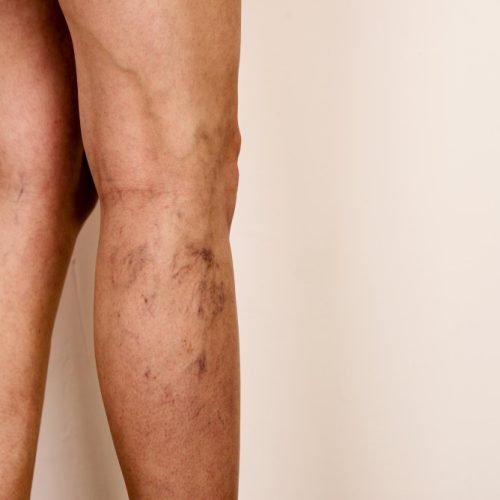
Varicose veins are enlarged, swollen, or twisted veins that commonly develop in the legs and may appear blue, purple, or raised beneath the skin. They can be primarily a visible concern but may also cause aching, heaviness, swelling, or discomfort.
varicose veins

TYPICALLY OCCURS

With ageing, genetics, pregnancy, prolonged standing, or increased vein pressure.

TREATED BY

Laser treatment, sclerotherapy, vein ablation, and more.

 ALSO LINKED TO

Why it happens?

Varicose veins develop when the small valves inside the veins become weakened or damaged. These valves normally help blood flow back towards the heart, but when they do not close properly, blood can collect in the veins, increasing pressure and causing them to enlarge, twist, or become more visible beneath the skin.

The legs are particularly susceptible because their veins must work against gravity to return blood to the heart. Genetics, ageing, pregnancy, prolonged standing or sitting, and increased pressure within the veins can all increase the likelihood of developing varicose veins.

For some people, varicose veins are mainly a cosmetic concern, while others may experience aching, heaviness, swelling, itching, or discomfort. More significant symptoms or skin changes should be medically assessed, as they can sometimes indicate underlying chronic venous insufficiency.

How far along is it?

01

Early

Small visible or slightly enlarged veins begin to appear, usually with little or no discomfort. Mild aching or heaviness may occasionally occur.

02

Moderate

Veins become more enlarged, twisted, or raised, with symptoms such as aching, heaviness, swelling, itching, or discomfort becoming more noticeable.

03

Advanced

Pronounced varicose veins may be accompanied by persistent swelling, skin discolouration or other skin changes. In more advanced cases, complications such as inflammation or venous ulcers can develop.

What addresses it?

It is worth seeking medical advice when varicose veins cause persistent pain, swelling, heaviness, skin changes, bleeding, or sores that do not heal. Assessment can also be considered when visible veins become a significant concern, as treatment depends on the underlying vein function and severity.

Quick Questions:

01

What causes varicose veins?

Varicose veins develop when valves inside the veins become weakened or damaged, allowing blood to collect and increase pressure. Genetics, ageing, pregnancy, prolonged standing, and other factors can increase the risk.

02

Are varicose veins dangerous?

Varicose veins are often not serious, but some can cause complications such as persistent swelling, skin changes, bleeding, inflammation, or venous ulcers. New or worsening symptoms should be medically assessed.

03

Can varicose veins go away on their own?

Varicose veins generally do not disappear on their own. Lifestyle measures may help manage symptoms and circulation, but established varicose veins may require medical treatment if they cause symptoms or other concerns.

04

How are varicose veins treated?

Treatment depends on the affected veins and their severity. Options may include compression, sclerotherapy, endovenous laser or radiofrequency ablation, and other vein procedures following specialist assessment.

Related Guides

Need More Information?

Contact us to find out more about concerns and our treatment options with aftercare packages.