Consultations in London & Manchester | Treatment in Izmir, Turkey | Caring for UK patients since 2005

Consultations in London & Manchester | Treatment in Izmir, Turkey | Caring for UK patients since 2005
Also called: long toes, toe shortening, second toe
TYPICALLY OCCURS
TREATED BY
ALSO LINKED TO
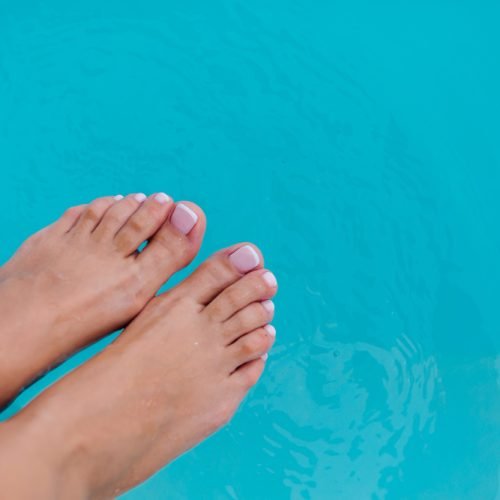
Long toes are most commonly caused by genetics and the natural structure of the foot. The length of each toe is determined largely by the size and proportions of the metatarsal and toe bones, which means one or more toes may naturally extend further than the others. A longer second toe, sometimes referred to as Morton’s toe, is a common anatomical variation.
In many cases, long toes are simply a cosmetic characteristic and do not cause any medical problems. However, when a longer toe repeatedly presses against footwear, it can experience increased friction and pressure, potentially contributing to discomfort, corns, calluses, or nail problems.
Foot shape and toe alignment can also change over time. Certain structural differences, footwear pressures, or associated toe deformities may make a long toe appear more prominent or cause it to become increasingly uncomfortable.
01
02
03
Treatments that address this
It may be worth seeking professional advice when a long toe causes persistent pain, rubbing, corns, calluses, nail problems, or difficulty wearing footwear comfortably. Assessment can also be considered when toe length or alignment is a significant aesthetic concern.
01
02
03
04
Contact us to find out more about concerns and our treatment options with aftercare packages.