Consultations in London & Manchester | Treatment in Izmir, Turkey | Caring for UK patients since 2005

BODY CONCERN

Lipoedema

Also called: lipoedema, lipedema, column legs, fat legs
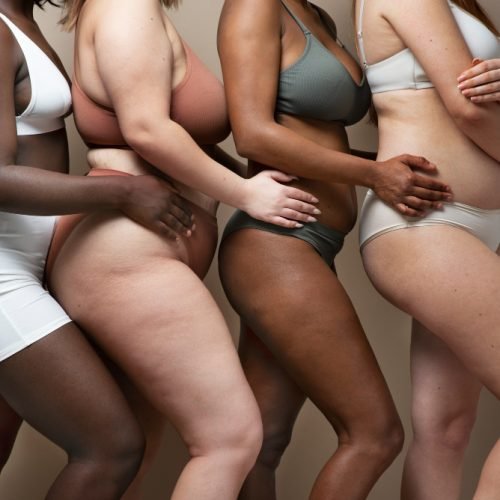
Lipoedema is a chronic condition involving an abnormal and often disproportionate build-up of fatty tissue, most commonly affecting the legs, hips, and sometimes the arms. It can cause swelling, tenderness, heaviness, easy bruising, and changes in body proportions.
lipoedema

TYPICALLY OCCURS

Often around puberty, pregnancy, or menopause.

TREATED BY

Compression therapy, specialist liposuction, exercise, and more.

 ALSO LINKED TO

Body fat, etc.

Why it happens?

The exact cause of lipoedema is not fully understood, but genetics and hormonal factors are thought to play an important role. It often begins or becomes more noticeable during periods of hormonal change, such as puberty, pregnancy, or menopause.

Lipoedema causes an abnormal and disproportionate accumulation of fatty tissue, most commonly in the legs, hips, and sometimes the arms. Unlike ordinary body fat, this tissue may be painful or tender and can be associated with swelling, heaviness, and easy bruising.

Lipoedema is not simply caused by being overweight, although weight gain can occur alongside it and may make symptoms more noticeable. Because it can sometimes be confused with obesity or lymphoedema, an appropriate medical assessment is important for diagnosis.

How far along is it?

01

Early

The skin remains relatively smooth, but abnormal fat begins to accumulate symmetrically around the legs, hips, or arms. Tenderness, heaviness, or easy bruising may also occur.

02

Moderate

Fat accumulation becomes more noticeable, with an increasingly uneven or dimpled skin texture. Larger fatty deposits may develop, and swelling or discomfort can become more prominent.

03

Advanced

Larger and more irregular deposits of fatty tissue develop, creating pronounced changes in limb shape and body proportions. Mobility, swelling, and discomfort may become more significant.

What addresses it?

Treatments that address this

It is worth seeking medical advice when disproportionate fat accumulation is accompanied by persistent pain, tenderness, swelling, heaviness, or easy bruising. Earlier assessment can help confirm whether lipoedema is present, rule out other causes, and support appropriate symptom management.

Quick Questions:

01

What are the main symptoms of lipoedema?

Common signs include symmetrical fat build-up in the legs, hips, and sometimes arms, along with tenderness, heaviness, swelling, and easy bruising. The feet are typically less affected.

02

What causes lipoedema?

The exact cause is unknown, but genetic and hormonal factors are thought to play an important role. It often develops or becomes more noticeable around puberty, pregnancy, or menopause.

03

Is lipoedema the same as obesity?

No. Lipoedema is a chronic condition involving abnormal fat distribution and is not simply caused by excess weight. However, obesity and lipoedema can occur together.

04

Can lipoedema be treated?

Yes. Although there is currently no cure, symptoms can be managed with approaches such as compression therapy, exercise, weight management where appropriate, and specialist liposuction in selected cases.

Related Guides

Need More Information?

Contact us to find out more about concerns and our treatment options with aftercare packages.