Does Weight Loss Cause Hollow Cheeks?
Does weight loss cause hollow cheeks? Yes, and you cannot choose otherwise. The face stores fat in small compartments, and those shrink alongside everything else. How noticeable it becomes depends far more on how fast you lose weight, and on your age, than on how much you lose.
The speed is the part people can sometimes influence. The rest is largely out of your hands.
On this page: Why the face hollows · Speed matters more than amount · What decides how visible it is · What not to do about it · The UK picture · What to ask · FAQs
Does weight loss cause hollow cheeks in everyone?
Not equally, but the mechanism applies to everyone.
The face holds fat in discrete compartments rather than one even layer. When your body draws on stored fat, it draws across the whole body, including those compartments. You cannot direct fat loss towards or away from your face. That is the same reason you cannot target fat loss anywhere else, covered in the guide to whether losing weight removes a double chin.
Two things then happen at once. Volume goes from the cheeks and temples. And the skin that was covering that volume has to retract to match.
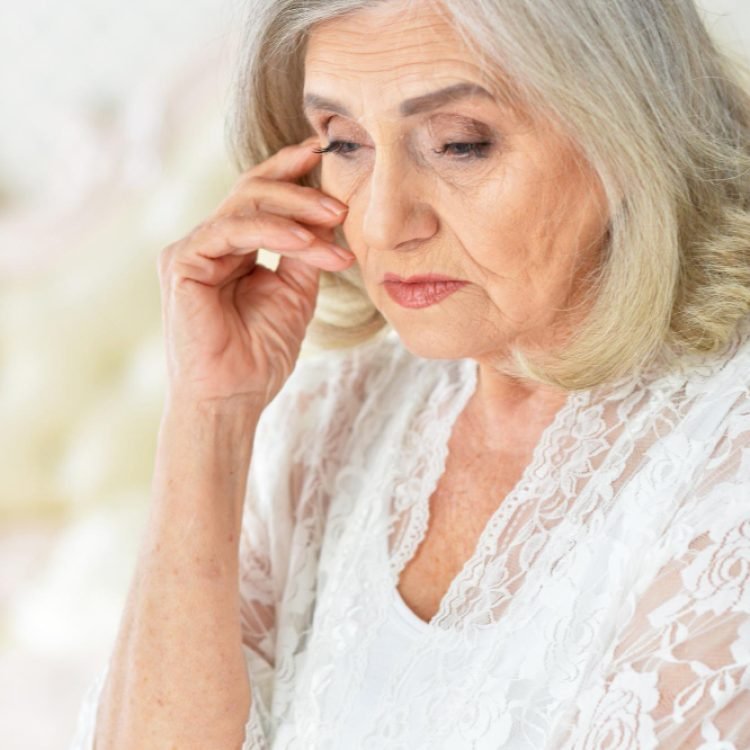
If the skin retracts fully, you look slimmer. If it does not, you get hollowing plus laxity, which reads as gaunt rather than lean. The second outcome is what people mean by hollow cheeks after weight loss.
Speed matters more than the amount
This is the single most useful thing to know, and most coverage misses it.
Skin retraction is a slow biological process. Collagen and elastin remodel over months, not weeks. Lose weight gradually and the skin has time to keep pace. Lose it quickly and the volume disappears before the covering can adjust.
That is why two people losing the same amount can end up looking completely different. It is also why facial changes are more pronounced in people over 40, where baseline collagen and elasticity are already lower before any weight is lost.
The practical implication is not to avoid losing weight. It is that the rate of loss is a legitimate thing to discuss with whoever is supervising it, particularly if you are on prescribed medication where the dose affects the pace.
What decides how visible the hollowing is
Four factors, and you control roughly one and a half of them.
| Factor | Effect | Within your control? |
|---|---|---|
| Rate of weight loss | Faster loss gives skin less time to retract | Partly, and worth discussing with a prescriber |
| Age at time of loss | Skin retracts less well from around 40 onward | No |
| Total amount lost | More fat lost means more volume gone from the face | Depends on the health reasons for losing it |
| Baseline skin quality | Cumulative sun exposure and smoking reduce elasticity | Going forward, yes |
On that last row, sun protection is the one preventive measure with randomised trial evidence behind it for skin ageing. NHS advice on sunscreen and sun safety covers what adequate protection looks like in UK conditions, including shade between 11am and 3pm from March to October.
Note what is absent from that table. No cream, supplement or facial exercise appears, because none has evidence for preventing volume loss from fat compartments.
Is “Hollow face” a real thing?
The phenomenon is real. The name is misleading, and the distinction matters if you are taking one of these medications.
A systematic review published in Aesthetic Surgery Journal Open Forum examined the plastic surgery literature on GLP-1 receptor agonists and facial change. It concluded that the facial ageing associated with these medications is likely a direct consequence of rapid weight loss producing volume loss without compensatory collagen remodelling in the skin, and that there is currently no evidence these medications preferentially cause fat loss in the face specifically. The authors described the term as likely a transient media label rather than a recognised side effect of the drug class.
In other words: it is the rapid weight loss doing it, not the medicine acting on your face. The same changes occur with rapid loss from any cause.
The picture is not entirely closed. A 2025 review raised the possibility that these medications may affect fat tissue within the skin itself, and stated it is still unclear whether the facial changes relate only to lower fat volume or whether additional mechanisms are involved. That is an open question rather than an established finding.
The honest summary: rapid weight loss explains most or all of it, a direct drug effect on facial tissue has not been demonstrated, and researchers have not fully closed the question.
What not to do about it
Three responses are worth ruling out.
Do not stop or reduce prescribed medication because of how your face looks. If you are taking a weight loss or diabetes medication and facial change is bothering you, that is a conversation with the prescriber, not a decision to make alone. Dose and pace can sometimes be discussed. Stopping without advice can undo the health benefit the medication was prescribed for.
Do not deliberately regain weight to fill your face. Weight loss undertaken for health reasons was undertaken for a reason. Facial appearance is not a sound basis for reversing it, and doing so is a decision to take with a doctor rather than a mirror.
Do not treat facial exercises or creams as a solution. Neither restores lost fat volume. Volume in a fat compartment is not something a topical product reaches or a muscle contraction refills.
If facial change after weight loss is genuinely affecting how you feel, that is worth saying to a GP rather than managing alone. It is a recognised experience and not a vain one.
Hollow cheeks and the UK system
Four practical points.
- Weight loss medications are prescribed for health reasons. Semaglutide and tirzepatide are licensed for weight management in the UK. Facial appearance is not usually a factor in prescribing decisions, but it is a legitimate thing to raise at a review appointment.
- Facial volume loss after weight loss is not NHS-funded to correct. Procedures aimed at restoring facial volume for appearance reasons are cosmetic and are not routinely commissioned. Criteria vary between integrated care boards.
- Insurance rarely helps. Most UK private medical insurance policies exclude cosmetic procedures outright.
- Some facial changes are not about weight. Hollowing that appears without weight loss, is asymmetric, or comes with other symptoms is worth a GP appointment rather than being attributed to dieting.
Because anything cosmetic would be self-funded, there is no clinical deadline. Facial volume also continues to change with age regardless, so waiting to see where things settle is a reasonable position. The hollow cheeks concern page covers facial fat compartments and the causes of volume loss in more depth. For detail on self-funded options and what each involves, that sits on Revitalize in Turkey rather than here.
What to ask your doctor
Worth asking a GMC-registered doctor or your prescriber:
- Is the rate of my weight loss something we could adjust, and would that be clinically sensible?
- Given my age and how much I have lost, is further facial change likely?
- Is what I am seeing consistent with weight loss, or is there anything else worth checking?
- Are there health reasons my current pace of loss should stay as it is?
- I am finding the change in my face difficult. Is there support for that?
- Is any of this likely to recover on its own as my weight stabilises?
Frequently asked questions
How much weight loss causes hollow cheeks?
There is no threshold, and any source giving you one is inventing it. Facial change depends more on how quickly weight comes off and how old you are than on the total lost. Someone in their thirties losing a large amount gradually may see little change; someone over fifty losing the same amount quickly may see considerably more.
Does hollowing from weight loss go away?
Not on its own, in the sense that lost fat volume does not return unless weight is regained. Skin laxity sometimes improves over months as tissue remodels, particularly in younger people. Nobody can predict how much recovery an individual will see, and the evidence does not support giving a timeframe.
Is “hollow face” caused by the medication?
Current evidence points to the rapid weight loss rather than the drug. A systematic review found no evidence that GLP-1 medications preferentially cause facial fat loss, and described the term as a media label rather than a recognised side effect. Some researchers have raised the possibility of additional mechanisms, which remains unresolved.
Should I slow down my weight loss to protect my face?
That is a question for your prescriber, not an article. Pace can sometimes be adjusted, but weight loss prescribed for health reasons has clinical goals behind it. Never reduce or stop a prescribed medication on your own because of appearance. Raise it at a review appointment instead.
Can creams or facial exercises restore lost facial volume?
No. Volume loss occurs in fat compartments beneath the skin, and topical products act on the surface. Facial exercises work muscle rather than restoring fat. No good evidence supports either for replacing volume lost through weight change, whatever product marketing suggests.
Why does my face look older after losing weight?
Because two changes happen together. Fat volume that supported the skin has gone, and the skin covering it has not fully retracted, producing hollowing plus laxity. That combination reads as ageing rather than slimness, and it is more pronounced from around 40 onward when skin elasticity is already lower.