Is It Normal to Worry About Scars Fading on Their Own?
Is it normal to worry about scars fading on their own? Yes. The waiting is genuinely uncertain, because nobody can tell you whether a particular mark will fade or how long it will take. Worrying about an unanswerable question is a reasonable response, not an overreaction.
What makes this harder than most health waiting is that the thing you are waiting on is on your face, visible to you many times a day.
On this page: Why the waiting is genuinely uncertain · What is knowable and what is not · Why checking makes it worse · Ordinary worry and something more · What UK guidance says · What to ask your doctor · FAQs
Why waiting for scars to fade is genuinely uncertain
Most health waiting has a stated timeframe. This does not, and that honesty is missing from most reassurance you will read.
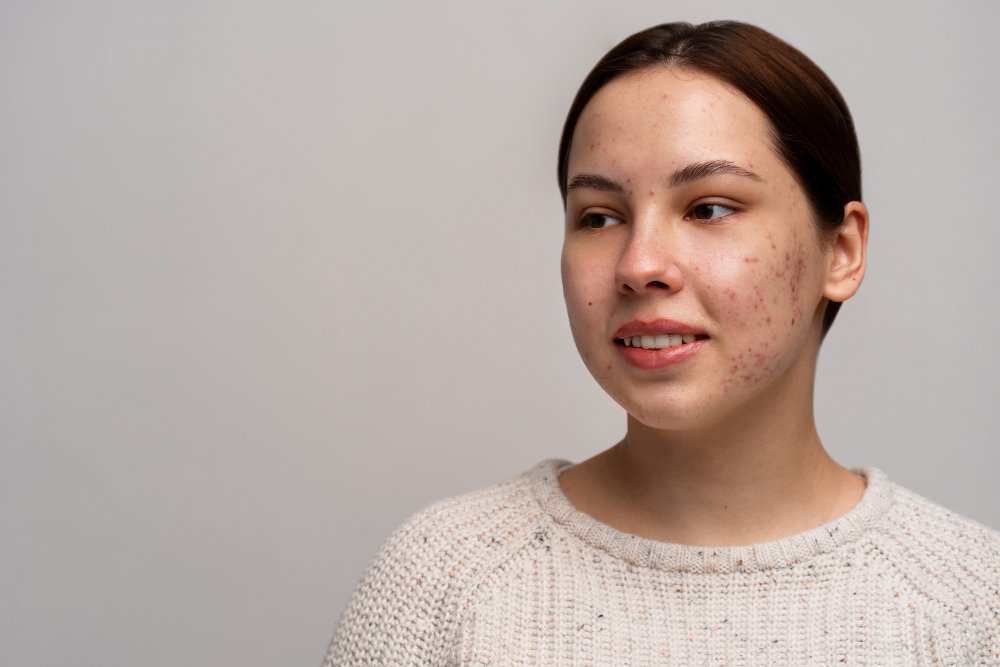
Flat post-inflammatory marks usually fade over months, but no source can give you a reliable timeline for one person. Post-inflammatory hyperpigmentation is the flat brown patch left after inflammation settles. Post-inflammatory erythema is the red or purple version. Both generally resolve, on schedules that vary widely between individuals and skin tones.
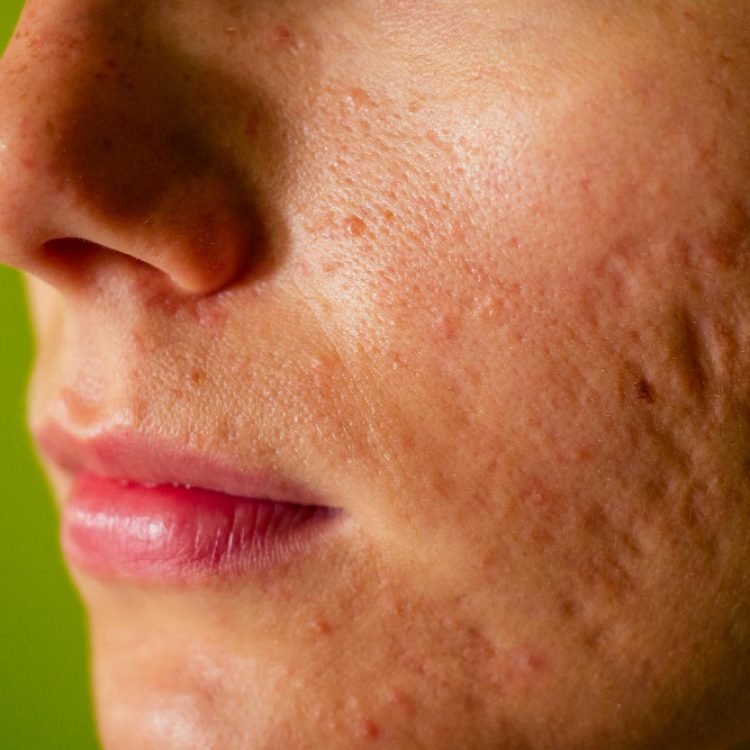
True scars are different again. Indented scars do not fade on their own, because tissue has been lost. Raised scars follow their own course: NHS patient information from Royal Free London states that hypertrophic scars may continue to thicken for up to six months and usually improve within 12 to 24 months, while keloid scars can grow beyond the original wound and may not improve over time.
So there are three possible futures for what you are looking at, and early on they can look similar. Being unsure which applies to you is an accurate reading of the situation rather than anxiety distorting it.
Why nobody can tell you whether your scars will fade on their own
Yes, and the frustration is usually about the missing answer rather than the mark.
Here is what can and cannot be known, set out plainly.
| Question | Can it be answered? |
|---|---|
| Is this a flat mark or a structural scar? | Usually yes, by someone looking at your skin |
| Will a flat mark fade eventually? | Usually yes, but without a timeline |
| How many months will it take? | No. Highly variable between individuals |
| Will an indented scar improve on its own? | Answerable: generally no, because tissue has been lost |
| Will a raised scar settle? | Partly. Hypertrophic scars usually improve over 12 to 24 months; keloids may not |
| Will I be happy with how it looks in a year? | No. Nobody can answer this for you |
The first row is answerable and the most useful. Knowing which category you are in converts an open-ended wait into a specific one, or tells you waiting will not help. That is a concrete thing to do with the worry. The guide to whether acne scars get worse if left untreated sets out how each type behaves.
Checking makes the uncertainty worse, not better
This is worth naming because almost everyone does it and almost nobody mentions it.
Close inspection in mirrors, photographing the same spot, and asking people whether they can see it all feel like gathering information. They mostly do not work that way. Fading happens too slowly to detect day to day, so frequent checking produces no signal and plenty of anxiety.
Two practical adjustments help more than they sound like they should. Put away magnifying mirrors, which show you a version of your skin that nobody else sees. And if you want to track change, take one photograph a month in the same light rather than looking daily.
Checking is not a character flaw. It is a behaviour that promises resolution and does not deliver, so it tends to increase the worry it was meant to settle.
Where ordinary worry ends and something else begins
Being bothered about visible scarring is normal. There is a point at which worry becomes its own problem, and UK guidance recognises it.
NICE guideline CG31 describes body dysmorphic disorder as a preoccupation with an imagined defect in appearance, or, where there is a slight physical anomaly, concern that is markedly excessive. NICE lists time-consuming behaviours including mirror gazing, comparing features with other people’s, camouflaging, skin picking and reassurance seeking, and notes body dysmorphic disorder is thought to affect 0.5% to 0.7% of the population.
The distinction is about proportion and time rather than whether the mark is real. Acne scarring is real. The question is whether the preoccupation has grown out of scale with it, and whether it takes up hours rather than moments.
This guide cannot tell you which side of that line you are on, and it is not trying to. What it can say is that if the worry is consuming significant time, driving avoidance of situations, or persisting despite people telling you the marks are barely visible, that is worth mentioning to a GP. It is a recognised pattern with recognised treatment, and raising it is not an admission of anything.
NICE also states that acne of any severity can cause psychological distress and mental health disorders, and lists persistent psychological distress and persistent pigmentary changes among its criteria for considering dermatology referral. Distress about skin is treated as legitimate in UK guidance, not dismissed.
What UK guidance means for you in practice
Three things about the UK system are worth knowing while you wait.
- A GP can settle the first question. Whether you are looking at a mark or a scar is answerable by someone examining your skin, and that appointment converts an indefinite wait into a defined one. It costs you nothing on the NHS.
- Distress is a valid reason to be seen. NICE lists persistent psychological distress and persistent pigmentary changes among the criteria for considering referral to a consultant dermatologist-led team. You do not need severe scarring to justify raising it.
- Cosmetic treatment comes with a screening step. NICE guidance advises that healthcare professionals should routinely consider and explore the possibility of body dysmorphic disorder in people with mild disfigurements or blemishes who are seeking a cosmetic procedure. If a UK clinician asks you questions about how much time you spend thinking about your skin, that is guidance being followed rather than your concern being doubted.
That last point catches people off guard, so it is better known in advance.
On waiting times, where a referral is appropriate the NHS standard is a maximum 18-week wait from referral to the start of consultant-led treatment, though dermatology waits vary widely by trust and the standard is not currently met.
The acne scars concern page covers scar types and what causes them. If you are trying to work out whether to act at all, the guide to when to do something about acne scars sets out the sequence.
Where you want detail on self-funded options for scarring that will not fade, that sits on Revitalize in Turkey rather than here.
What to ask your doctor
Worth asking a GMC-registered doctor:
- Are these marks pigmentary or structural, and how confident are you in that?
- If they are pigmentary, what sort of timeframe would you expect, and what would make you reconsider?
- Is there anything I am doing that is slowing the fading?
- I am finding this hard to stop thinking about. Is that something you can help with?
- Would you consider a referral on the basis of how much this is affecting me?
- Is there any point at which you would want to see me again if nothing has changed?
Frequently asked questions
How long should you wait for acne marks to fade?
There is no reliable figure, and any source giving you a precise one is overstating what is known. Flat post-inflammatory marks generally fade over months, with wide variation between individuals and skin tones. A GP or pharmacist can confirm whether the marks are pigmentary, which tells you whether waiting is the right strategy at all.
Is it normal to check your skin constantly while waiting?
It is extremely common. Fading happens too slowly to notice day to day, so frequent checking tends to generate anxiety rather than information. If checking is taking up significant time, or you feel unable to stop, that is worth mentioning to a GP. NICE lists mirror gazing among the behaviours associated with body dysmorphic disorder.
When does worrying about scars become a mental health issue?
There is no clean threshold, and this guide cannot assess you. NICE describes body dysmorphic disorder as preoccupation with an imagined defect, or markedly excessive concern about a slight anomaly, thought to affect 0.5% to 0.7% of people. If worry is consuming hours, driving avoidance, or persisting despite reassurance, raise it with a GP.
Will my GP take scarring seriously if it looks mild?
NICE states that acne of any severity can cause psychological distress and mental health disorders, and lists persistent psychological distress among the criteria for considering dermatology referral. Severity of appearance and severity of impact are treated as separate things in UK guidance. Say clearly how it is affecting you rather than assuming it will be asked.
Will my GP take scarring seriously if it looks mild?
Generally no. Indented scars involve lost tissue, so the structure does not restore itself. Flat brown, purple or red marks are pigment or blood vessel changes in intact skin and usually do fade. Angled light helps distinguish them: flat marks stay flat, true scars catch the light or cast a shadow.
Is it worth photographing marks to track whether they are fading?
Possibly, but sparingly. Monthly photographs in consistent lighting can show change that daily checking cannot. Frequent photography tends to function as checking rather than tracking, and produces anxiety rather than data. If you find yourself photographing daily, that is a signal worth paying attention to.