Consultations in London & Manchester | Treatment in Izmir, Turkey | Caring for UK patients since 2005

Consultations in London & Manchester | Treatment in Izmir, Turkey | Caring for UK patients since 2005
Also called: gallstones, gallbladder, gall bladder pain
TYPICALLY OCCURS
TREATED BY
ALSO LINKED TO
The gallbladder stores bile, a digestive fluid produced by the liver and released into the small intestine to help digest fats. Gallstones develop when substances within bile become imbalanced and begin to crystallise. Most gallstones are primarily composed of cholesterol, although pigment stones containing bilirubin can also occur. Stones can range from very small particles to larger deposits, and a person may develop a single gallstone or many. Simply having gallstones does not necessarily cause symptoms, and many are discovered incidentally during scans performed for another reason.
Several factors can increase the likelihood of gallstone formation. They become more common with age and are more frequent in women, partly because hormonal factors can influence cholesterol levels in bile and gallbladder function. Pregnancy, obesity and rapid weight loss can also increase risk. Genetics and family history contribute, while certain medical conditions affecting the liver, blood or digestive system can make particular types of gallstones more likely. Diet may influence risk, but gallstones are not simply caused by eating fatty foods.
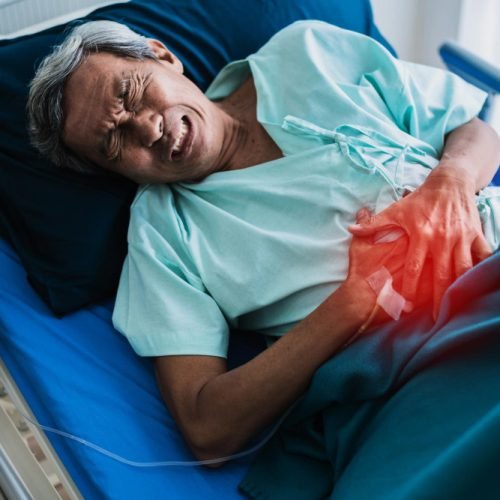
Symptoms usually develop when a stone moves and temporarily or persistently obstructs the gallbladder or bile ducts. A temporary blockage can cause biliary colic — typically intense, steady pain in the upper right or central abdomen that may last from minutes to several hours and can sometimes spread towards the back or right shoulder. A persistent blockage can cause inflammation of the gallbladder (acute cholecystitis). Stones entering the common bile duct can obstruct bile flow, cause jaundice or lead to infection, while obstruction near the pancreatic duct can trigger acute pancreatitis. These complications explain why the presence of gallstones and symptomatic gallstone disease are considered differently.
01
02
03
Treatments that address this
Gallstones that cause no symptoms often do not require treatment. Medical assessment becomes important when you develop repeated or significant episodes of upper abdominal pain, particularly pain lasting longer than around 30 minutes, pain following meals or pain accompanied by nausea or vomiting.
Recurring gallstone attacks are worth investigating because further episodes and complications can occur. Ultrasound and other investigations can help determine whether gallstones are responsible for the symptoms and whether specialist management is appropriate.
Seek urgent medical attention for severe or persistent abdominal pain, particularly when accompanied by fever or chills, jaundice (yellowing of the skin or eyes), repeated vomiting, confusion or significant illness. These can indicate acute gallbladder inflammation, bile duct obstruction, infection or pancreatitis and should not be managed as ordinary indigestion.
01
02
03
04
Contact us to find out more about concerns and our treatment options with aftercare packages.