Consultations in London & Manchester | Treatment in Izmir, Turkey | Caring for UK patients since 2005

Consultations in London & Manchester | Treatment in Izmir, Turkey | Caring for UK patients since 2005
Also called: incontinence, leaking urine, bladder leaks, stress incontinence, weak bladder, cant hold wee, pee leaking, leaking pee, wee leaking, leaking wee
TYPICALLY OCCURS
TREATED BY
ALSO LINKED TO
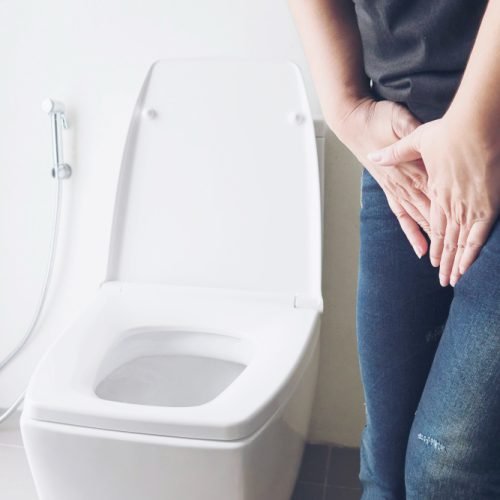
Urinary incontinence occurs when the normal systems responsible for storing and releasing urine do not work effectively together. The bladder, urinary sphincters, pelvic floor muscles and nervous system all contribute to bladder control. Weakness of the pelvic floor or urinary sphincter can allow urine to leak when pressure inside the abdomen increases, such as during coughing, sneezing, laughing or exercise. This is known as stress urinary incontinence. Pregnancy and childbirth, pelvic surgery, ageing and changes associated with menopause can contribute to pelvic floor weakness, although urinary incontinence can affect people of any sex.
Another common form is urge incontinence, where a sudden and intense need to urinate is followed by involuntary leakage. This can occur when the bladder muscle contracts when it should remain relaxed and is often associated with overactive bladder. Urinary tract infections, bladder irritation, certain medications, neurological conditions and conditions affecting the prostate can also contribute to urinary symptoms. Some people experience mixed incontinence, where both stress and urgency-related leakage occur. Less commonly, overflow incontinence can develop when the bladder does not empty properly and becomes overly full.
Bowel or faecal incontinence involves difficulty controlling bowel movements or the unintended passage of stool. It can result from damage or weakness affecting the anal sphincter muscles, pelvic floor or nerves, as well as conditions causing persistent diarrhoea or severe constipation. Childbirth injuries, previous surgery, neurological disorders and certain bowel conditions may contribute. Because incontinence has many possible causes, identifying the type and underlying reason is important. Symptoms can often be improved or managed, and assessment can also help identify medical conditions that may otherwise remain untreated.
01
02
03
Treatments that address this
It is worth seeking professional advice when bladder or bowel leakage becomes recurring, is getting worse or begins affecting sleep, exercise, work, relationships or everyday activities. Assessment is also advisable when symptoms appear suddenly or are accompanied by difficulty urinating, recurrent urinary infections, changes in bowel habits or a feeling that the bladder does not empty properly.
Incontinence can sometimes be a symptom of an underlying medical, neurological, urinary or bowel condition, so persistent leakage should not automatically be attributed to age.
Seek urgent medical assessment if new loss of bladder or bowel control occurs alongside severe back pain, numbness around the genitals or buttocks, or new leg weakness, as this can indicate serious nerve compression. Blood in the urine or stool, inability to pass urine, or significant unexplained bowel changes should also be medically assessed.
01
02
03
04
Contact us to find out more about concerns and our treatment options with aftercare packages.