Consultations in London & Manchester | Treatment in Izmir, Turkey | Caring for UK patients since 2005

Consultations in London & Manchester | Treatment in Izmir, Turkey | Caring for UK patients since 2005
Also called: snoring, sleep apnoea, sleep apnea, stop breathing at night, snoring loudly, gasping at night, stop breathing in sleep, partner complains, obstructive sleep apnoea, cpap
TYPICALLY OCCURS
TREATED BY
ALSO LINKED TO
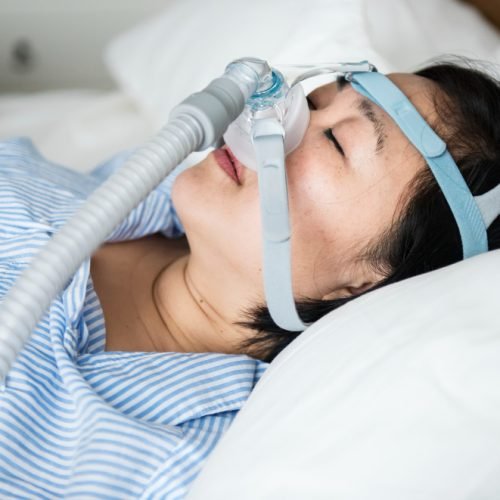
The most common form, obstructive sleep apnoea (OSA), occurs when the upper airway repeatedly becomes too narrow or closes during sleep. As the muscles of the throat naturally relax, structures such as the tongue and surrounding soft tissues can move in a way that restricts airflow. Breathing may become shallow or temporarily stop, causing oxygen levels to fall and prompting the brain to briefly wake the person enough to reopen the airway. These awakenings can happen many times during the night and are often so brief that the person does not remember them the following morning.
Several factors can increase the likelihood of upper-airway obstruction. Excess weight can contribute by increasing tissue around the neck and airway, but sleep apnoea also occurs in people who are not overweight. The natural anatomy of the jaw, tongue, throat and airway can play an important role. Enlarged tonsils or adenoids, particularly in children, may contribute to obstruction. Nasal congestion or structural nasal problems can make breathing during sleep more difficult, although nasal blockage alone is not usually the sole cause of OSA. Ageing, alcohol consumption before sleep, smoking and medications that relax the muscles or suppress breathing can also increase risk or worsen existing symptoms.
Repeated interruptions to breathing prevent normal, restorative sleep even when a person appears to have slept for many hours. This can result in excessive daytime sleepiness, difficulty concentrating, morning headaches, irritability and reduced performance. Untreated moderate or severe OSA is also associated with increased cardiovascular and metabolic health risks, including high blood pressure. A less common form, central sleep apnoea, occurs when the brain temporarily fails to send appropriate signals to the muscles responsible for breathing and has different underlying causes. Because identifying the type and severity of sleep apnoea is important for management, suspected cases generally require appropriate sleep assessment rather than diagnosis based on snoring alone.
01
02
03
Treatments that address this
Assessment is worthwhile if you regularly snore loudly, wake choking or gasping, experience morning headaches or remain unusually tired despite apparently getting enough sleep. A partner noticing repeated pauses in your breathing during sleep is a particularly important reason to seek professional assessment.
Sleep apnoea can affect alertness and reaction time. Excessive daytime sleepiness that makes it difficult to remain awake while driving or operating machinery is a significant safety concern and should not be ignored. Appropriate assessment can establish whether sleep apnoea or another sleep disorder is responsible and determine its severity.
01
02
03
04
Contact us to find out more about concerns and our treatment options with aftercare packages.