Consultations in London & Manchester | Treatment in Izmir, Turkey | Caring for UK patients since 2005

Consultations in London & Manchester | Treatment in Izmir, Turkey | Caring for UK patients since 2005
Also called: tennis elbow, golfers elbow, elbow pain
TYPICALLY OCCURS
TREATED BY
ALSO LINKED TO
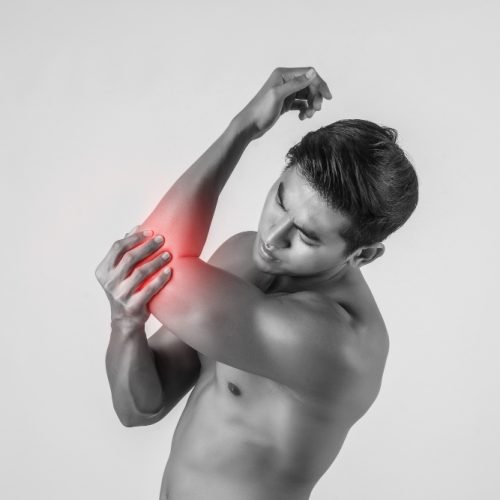
Tennis elbow develops when the tendons connecting the forearm muscles to the outside of the elbow become overloaded. These muscles and tendons are involved in extending the wrist and stabilising it during gripping, lifting and other hand movements. Repeated loading can cause small structural changes within the tendon, particularly where it attaches to the bony prominence on the outside of the elbow. Over time, this can lead to pain, tenderness and reduced tolerance for activities that place stress on the affected tendon.
Although racket sports can cause tennis elbow, many cases are associated with everyday activities, occupations or other sports. Repeated gripping, twisting, lifting or wrist movements can place additional strain on the forearm tendons. Activities such as using tools, painting, gardening, manual work and some repetitive computer or hand tasks may contribute. A sudden increase in activity or performing an unfamiliar movement repeatedly can also overload a tendon that has not adapted to that level of demand.
Tendon tissue also changes with age, which may make it less able to tolerate repetitive loading and recover from small amounts of damage. Tennis elbow is therefore particularly common in adults rather than being limited to athletes. Symptoms can sometimes develop without one obvious cause and may persist if the tendon continues to be repeatedly overloaded. Other conditions involving the elbow, neck or nerves can produce similar symptoms, so persistent outer elbow pain is not automatically tennis elbow and may require professional assessment.
01
02
03
Treatments that address this
Mild tennis elbow symptoms may improve when the activities responsible for overloading the tendon are modified. Professional assessment becomes worthwhile when pain persists for several weeks, repeatedly returns or begins interfering with work, exercise or normal daily activities.
Seek medical advice sooner if elbow pain follows a significant injury, there is substantial swelling or deformity, movement becomes severely restricted, or symptoms are accompanied by persistent numbness, tingling or weakness. These features may indicate an injury or condition other than tennis elbow.
01
02
03
04
Contact us to find out more about concerns and our treatment options with aftercare packages.