Consultations in London & Manchester | Treatment in Izmir, Turkey | Caring for UK patients since 2005

Consultations in London & Manchester | Treatment in Izmir, Turkey | Caring for UK patients since 2005
Also called: bad back, back pain, slipped disc, sciatica, herniated disc, spine pain, stiff back, cant bend, back goes, locked back
TYPICALLY OCCURS
TREATED BY
ALSO LINKED TO
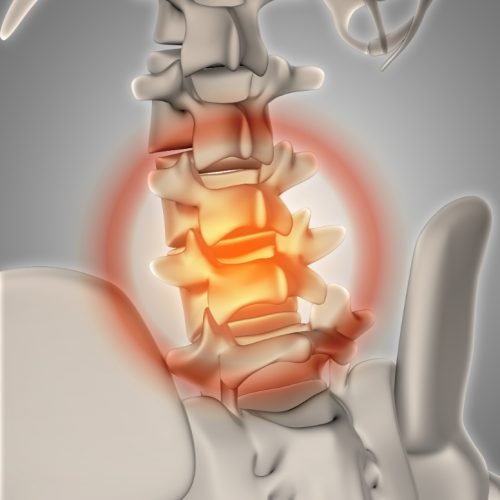
The spine is made up of individual bones called vertebrae, separated by intervertebral discs that act as cushions and help the spine move. Each disc has a softer, gel-like centre surrounded by a tougher outer layer. A slipped disc does not literally slip out of position. Instead, part of the inner disc material pushes through or causes a weakened area of the outer layer to bulge. This can trigger local inflammation and, depending on its position, irritate or compress nearby spinal nerves.
Age-related changes are an important contributor. Over time, spinal discs naturally lose some of their water content, flexibility and ability to tolerate pressure. The outer portion of a disc can become more vulnerable to small tears, making herniation more likely. Repeated lifting, bending, twisting or physically demanding activities can place additional stress on the discs, particularly when combined with existing degeneration. A sudden awkward movement or injury can sometimes trigger symptoms, although many slipped discs develop without one clearly identifiable event.
The symptoms depend heavily on where the affected disc is located and whether it interacts with a nerve. A lumbar disc herniation in the lower back can irritate nerve roots that travel into the leg, potentially producing sciatica, while a cervical disc problem in the neck can cause symptoms extending into the shoulder, arm or hand. Some slipped discs cause only localised discomfort, and others cause no symptoms at all. The size of the disc herniation does not always correspond directly with the severity of symptoms, which is why clinical assessment focuses on pain, neurological signs and function as well as imaging findings.
01
02
03
Treatments that address this
Back or neck pain does not automatically indicate a slipped disc, and many episodes improve over time. Medical assessment is worthwhile when pain is severe, persists or progressively worsens, or when it spreads into an arm or leg and is accompanied by persistent tingling, numbness or weakness.
Seek urgent medical attention if lower-back symptoms are accompanied by numbness around the genitals, buttocks or inner thighs, difficulty starting or controlling urination, loss of bowel control, or severe or worsening weakness in both legs. These can indicate serious nerve compression, including cauda equina syndrome, and require emergency assessment.
01
02
03
04
Contact us to find out more about concerns and our treatment options with aftercare packages.