Consultations in London & Manchester | Treatment in Izmir, Turkey | Caring for UK patients since 2005

Consultations in London & Manchester | Treatment in Izmir, Turkey | Caring for UK patients since 2005
Also called: bunion, bunions
TYPICALLY OCCURS
TREATED BY
ALSO LINKED TO
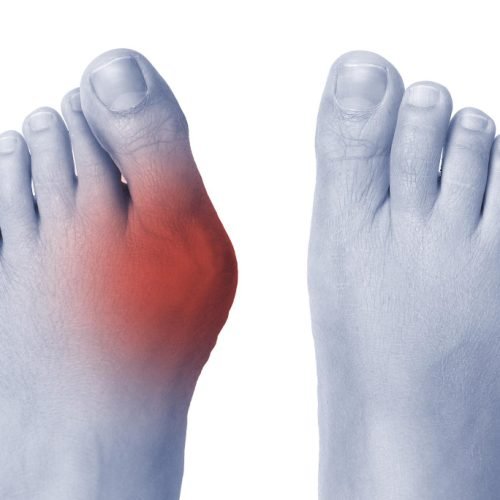
Bunions develop when the bones at the front of the foot gradually move out of their normal alignment. Rather than simply being a lump that grows on the side of the foot, a bunion represents a structural change in the big toe joint. The big toe begins to angle towards the second toe while the first metatarsal shifts in the opposite direction, creating the characteristic bony prominence on the inner side of the foot. As the alignment changes, pressure around the joint can lead to redness, inflammation, tenderness and discomfort.
Genetics and inherited foot structure are important contributors. Some people inherit characteristics such as foot shape, joint flexibility or biomechanics that make bunion development more likely. Certain forms of arthritis and other conditions affecting the joints or connective tissues can also contribute. Bunions are more common in adults and can gradually become more pronounced over time, although the speed of progression varies significantly between individuals.
Footwear does not necessarily cause every bunion, but shoes can influence symptoms and may contribute to progression in susceptible feet. Narrow or pointed shoes can squeeze the toes together, while high heels increase pressure towards the front of the foot. As a bunion becomes more prominent, footwear may rub against the joint and cause additional irritation. Changes in the position of the big toe can also place greater pressure on neighbouring toes and the ball of the foot, potentially contributing to corns, calluses or other toe deformities.
01
02
03
Treatments that address this
A bunion does not necessarily require treatment simply because it is visible. Professional assessment becomes worthwhile when pain is persistent or recurring, footwear becomes difficult to tolerate, or the bunion begins interfering with walking, exercise or normal daily activities.
It is also worth seeking advice if the deformity appears to be progressing, the big toe is pushing significantly against other toes, or corns, calluses and other pressure-related problems are developing. Severe pain, sudden swelling or significant redness around the joint should be assessed, as these symptoms can sometimes have causes other than a bunion.
01
02
03
04
Contact us to find out more about concerns and our treatment options with aftercare packages.