Consultations in London & Manchester | Treatment in Izmir, Turkey | Caring for UK patients since 2005

Consultations in London & Manchester | Treatment in Izmir, Turkey | Caring for UK patients since 2005
Also called: grinding teeth, bruxism, clenching jaw, worn down teeth, teeth grinding
TYPICALLY OCCURS
TREATED BY
ALSO LINKED TO
Teeth grinding is not always caused by a single factor. Awake bruxism is often associated with periods of concentration, stress, anxiety or emotional tension, during which a person may repeatedly clench their jaw without realising it. Certain habits and lifestyle factors can also influence grinding or clenching. Because it can happen subconsciously, many people only become aware of the behaviour after noticing jaw tension, tooth wear or being told that they grind their teeth.
Sleep bruxism is considered a sleep-related movement activity and can occur during brief changes in brain and muscle activity while sleeping. It has been associated with factors such as sleep disruption, snoring and obstructive sleep apnoea, although these do not explain every case. Alcohol, smoking and high caffeine intake may increase the likelihood or severity of grinding in some people. Certain medications, including some antidepressants, can also be associated with bruxism.
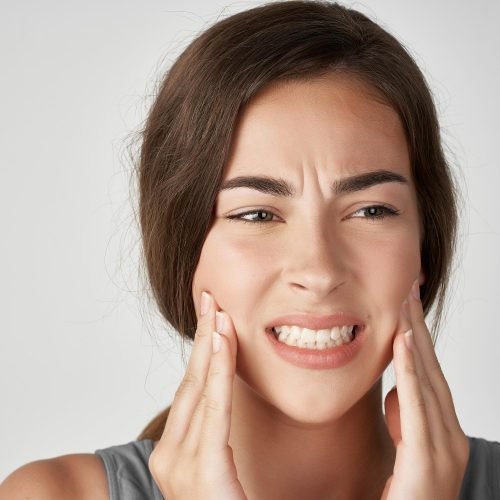
Repeated grinding places considerable pressure on the teeth, jaw muscles and surrounding structures. Over time, this can wear down enamel, flatten or chip teeth, damage restorations and contribute to tooth sensitivity. The jaw muscles may become tired or painful, particularly after waking, and some people experience facial discomfort or headaches. The severity varies significantly: occasional grinding may cause little harm, while persistent or forceful bruxism can gradually produce noticeable dental damage and discomfort.
01
02
03
Treatments that address this
It is worth seeking dental advice if you regularly wake with a tight or painful jaw, experience unexplained tooth sensitivity or headaches, notice your teeth becoming flatter or chipped, or have been told that you grind your teeth while sleeping.
Earlier assessment can help identify existing tooth damage and factors that may be contributing to bruxism. Seek advice particularly if grinding is accompanied by significant jaw pain, broken teeth or restorations, or symptoms of disrupted sleep such as loud snoring, choking or excessive daytime sleepiness.
01
02
03
04
Contact us to find out more about concerns and our treatment options with aftercare packages.