Consultations in London & Manchester | Treatment in Izmir, Turkey | Caring for UK patients since 2005

Consultations in London & Manchester | Treatment in Izmir, Turkey | Caring for UK patients since 2005
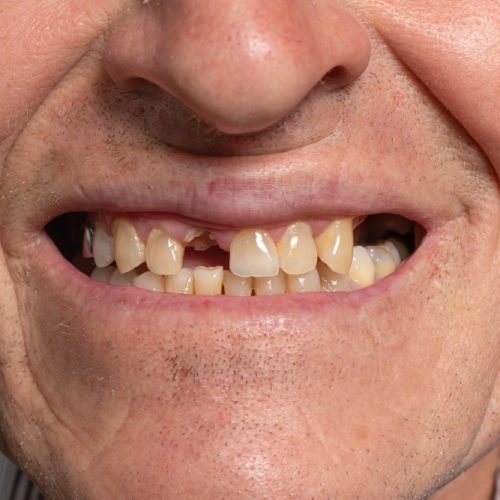
Also called: missing teeth, lost tooth, gaps in teeth, no teeth, missing tooth, toothless, gap where tooth was, lost a tooth, no back teeth, cant chew
TYPICALLY OCCURS
TREATED BY
ALSO LINKED TO
One of the most common reasons for missing teeth is the loss of a permanent tooth due to dental disease. Advanced tooth decay can progressively weaken a tooth until there is insufficient healthy structure to restore it, sometimes making extraction necessary. Gum disease is another major cause of adult tooth loss. As periodontitis progresses, it can damage the gum tissue and supporting bone that hold the teeth in place, eventually causing teeth to loosen and potentially be lost or require extraction.
Teeth can also be lost because of trauma. Falls, sporting accidents, collisions or other impacts to the mouth can knock a tooth out or cause fractures severe enough that the tooth cannot be preserved. Teeth that have undergone extensive previous dental treatment may also become structurally weaker over time. In other cases, a tooth may be intentionally removed because of severe infection, significant structural damage, problematic wisdom teeth or another dental condition where maintaining the tooth is no longer considered appropriate.
Not every missing tooth has previously been lost. Some people are born without one or more permanent teeth because those teeth never develop, a condition known as hypodontia when a small number of teeth are affected. Whatever the cause, leaving a gap can sometimes lead to changes elsewhere in the mouth. Neighbouring teeth may gradually tilt or move into the available space, while opposing teeth can change position. The jawbone in the area of a missing tooth can also gradually reduce in volume because it is no longer receiving the same stimulation from a tooth root. The extent of these changes varies depending on which teeth are missing, how many have been lost and how long the gaps have been present.
01
02
03
Treatments that address this
It is worth having a missing tooth assessed even when the gap is not causing immediate discomfort. A dentist can evaluate the health of the remaining teeth and gums, the bite and the amount of available bone, as well as whether replacing the tooth would provide functional or aesthetic benefits.
Seek dental advice promptly following the unexpected loss of a permanent tooth, particularly after an accident. A permanent tooth that has been completely knocked out is a dental emergency, and immediate professional care may improve the possibility of saving it.
01
02
03
04
Contact us to find out more about concerns and our treatment options with aftercare packages.