Consultations in London & Manchester | Treatment in Izmir, Turkey | Caring for UK patients since 2005

Consultations in London & Manchester | Treatment in Izmir, Turkey | Caring for UK patients since 2005
Also called: bleeding gums, gum disease, receding gums, gum recession, gingivitis, swollen gums
TYPICALLY OCCURS
TREATED BY
ALSO LINKED TO
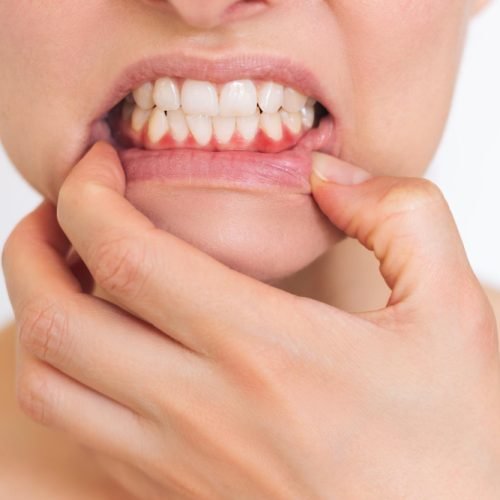
Many gum problems begin with the accumulation of plaque around the teeth and gum line. Plaque is a sticky film containing bacteria that continuously forms on the teeth. If it is not removed effectively through brushing and interdental cleaning, it can irritate the gums and cause inflammation. This early form of gum disease is known as gingivitis and commonly causes gums to become red, swollen or prone to bleeding. Plaque that remains on the teeth can also harden into tartar, which cannot be fully removed through normal brushing and provides additional surfaces where plaque can accumulate.
If inflammation continues, gum disease can progress from gingivitis to periodontitis. At this stage, the tissues supporting the teeth become affected and spaces known as periodontal pockets can develop between the teeth and gums. Bacteria can accumulate within these areas, and the inflammation may gradually damage the supporting tissues and bone around the teeth. As this progresses, gums may recede, teeth can appear longer and, in advanced cases, teeth may become loose or eventually be lost.
Plaque is not the only factor that influences gum health. Smoking is an important risk factor for gum disease and can also make some warning signs, such as bleeding, less obvious. Genetics, diabetes, hormonal changes, certain medications, dry mouth and conditions affecting the immune system can also influence susceptibility. Gum recession may additionally result from aggressive brushing, tooth position or repeated mechanical pressure. Because different gum problems can have similar symptoms, persistent bleeding, swelling, recession or discomfort should be assessed to establish the underlying cause.
01
02
03
Treatments that address this
Occasional minor gum irritation can happen, but gums that repeatedly bleed during brushing or interdental cleaning should not simply be considered normal. Persistent redness, swelling, tenderness, bad breath or visible gum recession are good reasons to arrange a dental assessment.
Seek advice particularly if your gums appear to be pulling away from your teeth, gaps are developing, your bite seems to be changing or a tooth feels loose. Swelling accompanied by significant pain, pus, fever or facial swelling may indicate an infection and requires prompt dental attention.
01
02
03
04
Contact us to find out more about concerns and our treatment options with aftercare packages.